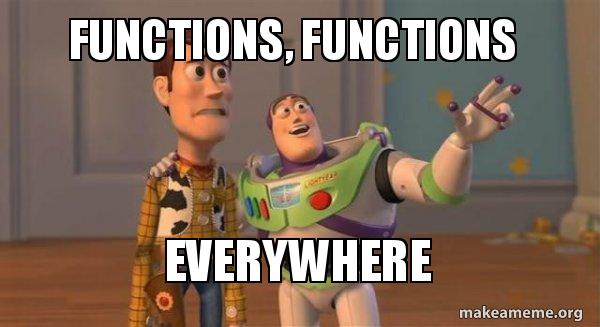
Back when I took IGCSE Additional Mathematics in Sec 3 and 4, seeing that I had to learn calculus and the idea of it freaked me out. Everybody has always said how challenging it was. When I first started learning it, yes, it was hard, but eventually, it became one of my favorite Maths topic to study. Solving calculus problems is like solving a puzzle, which I really enjoy.
My seniors have always told me how insanely difficult IB Maths HL calculus was. So when we started diving into calculus this semester, I was intimidated, even though I had understood calculus in Add. Maths and understood it well (plus add the fact that we had to learn calculus in an online school setting). However, at the same time, I won’t deny that I felt pretty excited to revisit calculus once again. Calculus was actually a big part of why I decided to take MAAHL instead of MAIHL (calculus is wayyyy better than statistics :D).
ToolkitPresentation
In MAAHL, we have to do something called as toolkit, which is essentially a set of questions that we not only have to answer, but also have to investigate and research upon. Toolkits can go one of the two ways for me: it can stress me out or I can find it interesting. Well in this case, it was a relatively more fun toolkit compared to the ones we have done previously.
In this toolkit, the class was divided into 3 groups. My group had to discuss and present regarding the Riemann Sum. Our presentation is attached below.
Our presentation yay 🙂
A quick summary of Riemann’s sum
Riemann’s sum can be used to find the area under the curve by using rectangles. As the number of rectangles increases, the area will become more accurate. However, it’s important to note that no matter how many rectangles are used, it’s only an approximation, so the area will only approach the exact value but will never be equal.
Fundamental Theorem of Calculus
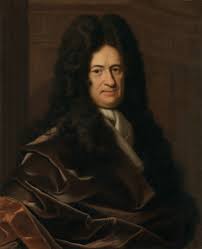
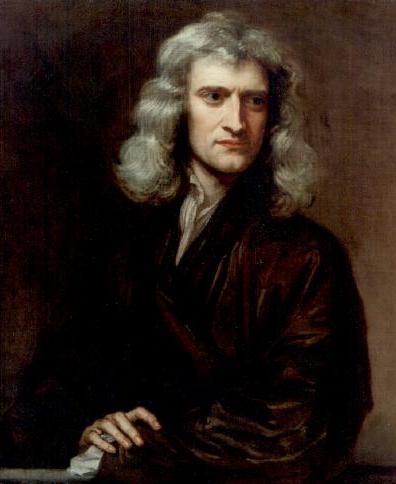
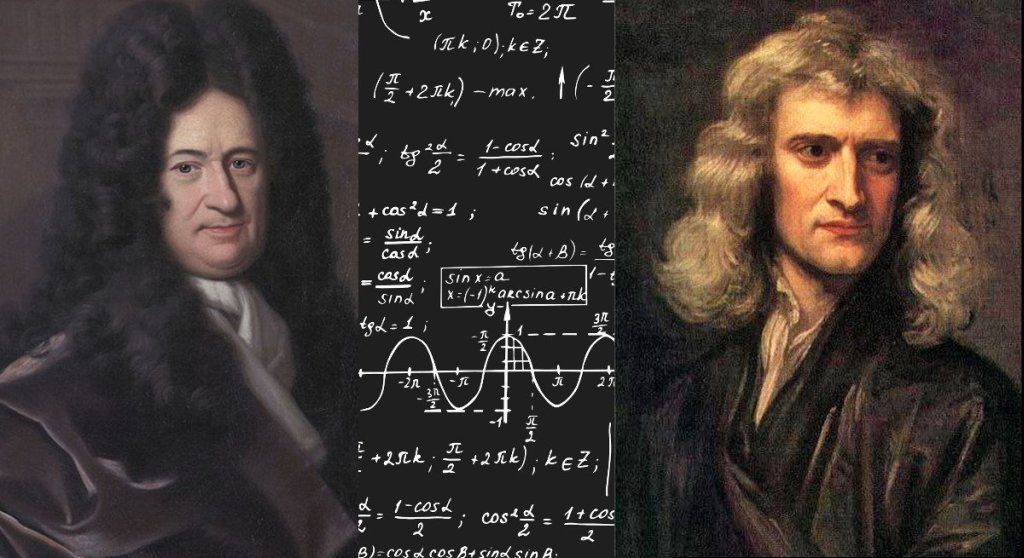
The Fundamental Theorem of Calculus is essentially the relationship between differentiation and integration, which was discovered by Sir Isaac Newton and Gottfried Wilhelm Leibniz.
The First Fundamental Theorem of Calculus
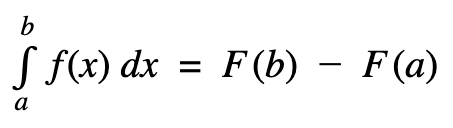
This theorem states that if f is continuous on the closed interval [a, b] and F is the indefinite integral of f on [a, b], then
This means that if function f (the integrand) is continuous between the points a and b (including points a and b), then the value will be equal to the indefinite integral at the closed interval [a, b] when integrated.
The Second Fundamental Theorem of Calculus
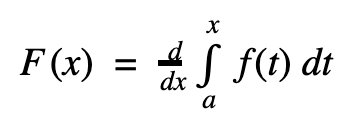
This theorem states that if f is continuous on an open interval and point a is a point at the open interval, then F is defined as
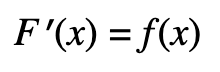
then
at point a.
These two shows the relationship between differentiation and integration, and the connection between definite and indefinite integrals’s analytic and geometric components. It also allows us to perform certain “tasks” easier, for example, finding the area under the curve. Not only will it give an exact value of the area but it’s also way less tedious and much easier compared to the Riemann’s sum.
International Mindedness
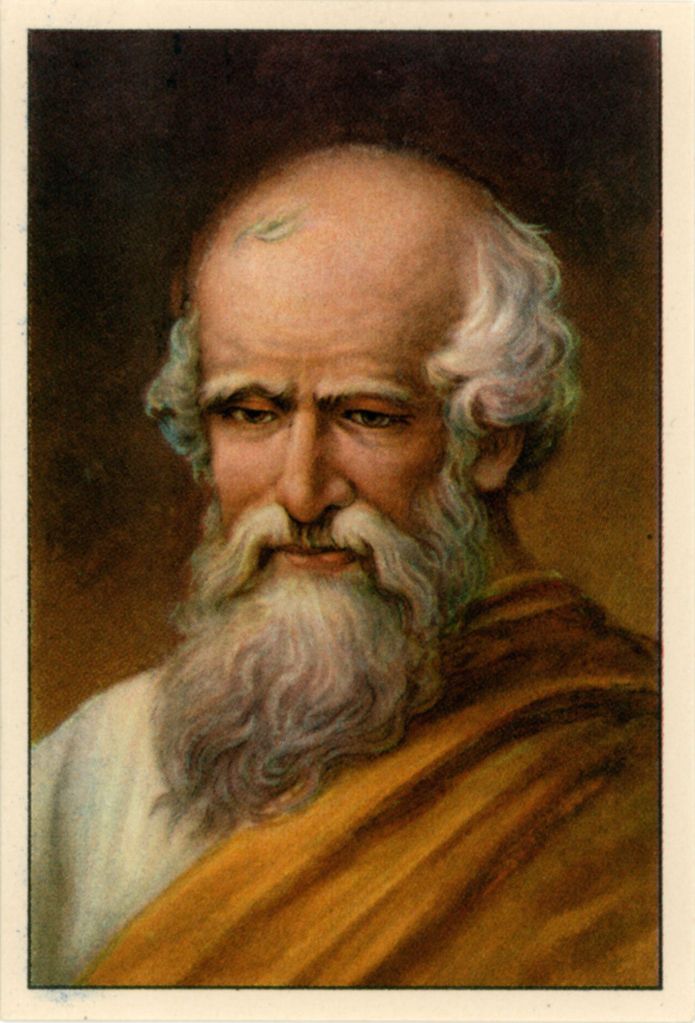
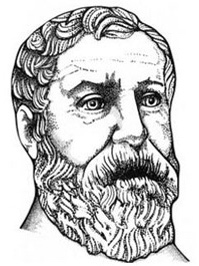
Archimedes
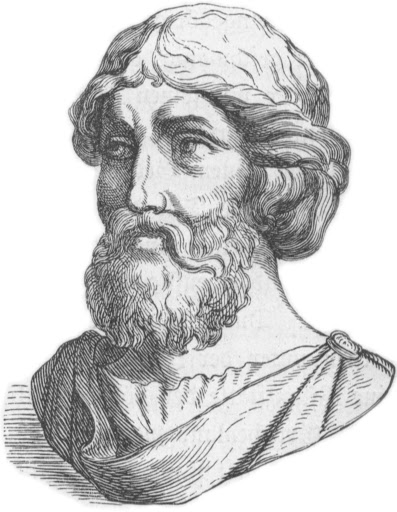
Pythagoras
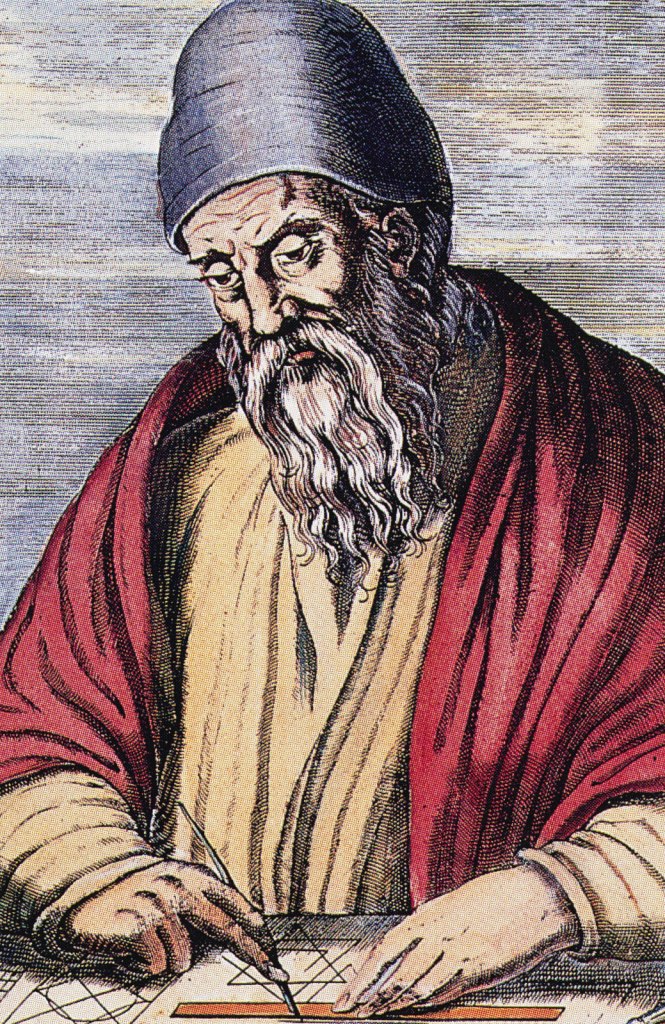
Euclid
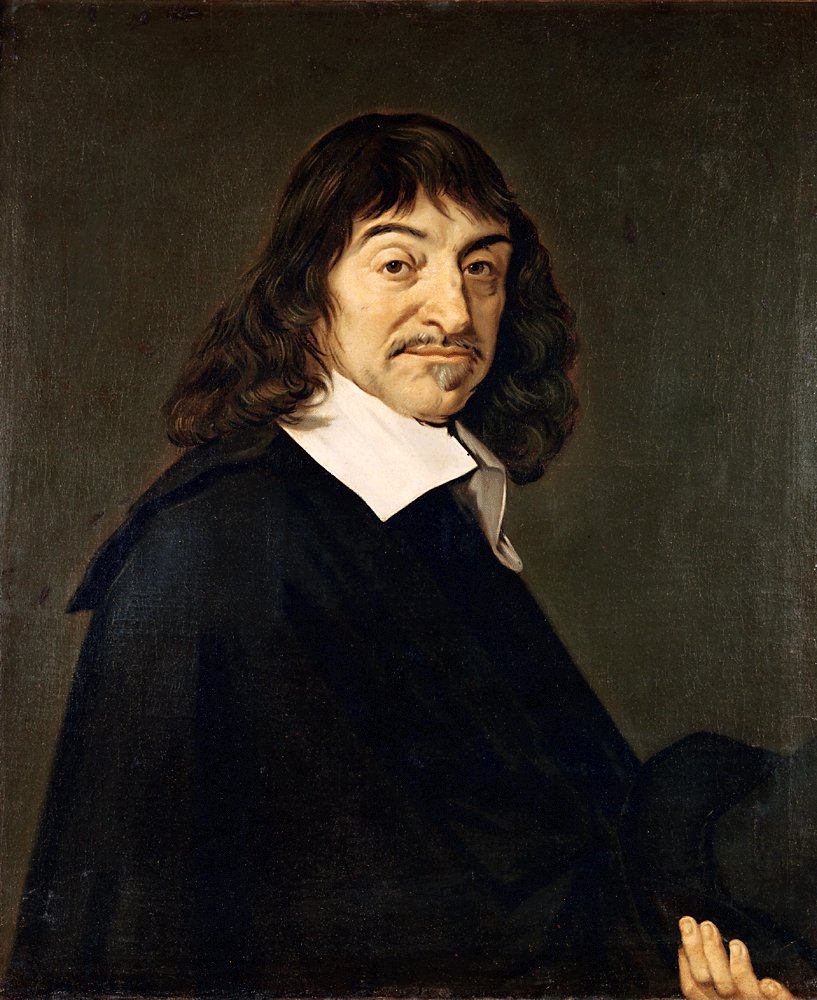
Descartes
Leibniz
Newton
Mathematicians
As mentioned above, the discovery and development of calculus is credited to two people – Sir Isaac Newton and Gottfried Wilhelm Leibniz in the 17th century. It’s believed that they investigated calculus independently, and that Leibniz only discovered calculus 8 years after Newton did. However, let’s go back in time.
During the ancient period, more specifically between 580-212 BCE, algebra and geometry were created by 3 philosophers – Archimedes, Euclid, and Pythagoras. You’ve probably heard their names before as they’re often associated with the Pythagoras’ Theorem and Euclidean geometry. However, at this point, the basic operations of maths and the numbering system has not been invented yet. So they struggled in unifying algebra and geometry, that was until Rene Descartes (late 1500s). He not only unified algebra, but also found other groundbreaking concepts such as that two numbers can be used to describe the coordinates on a 2D plane.
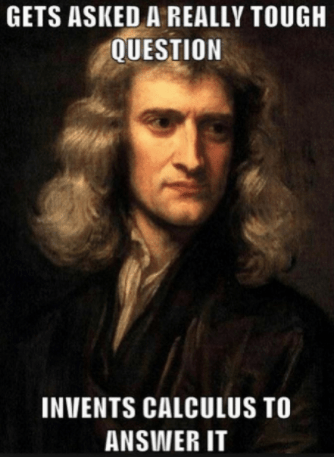
Moving back to the 17th century, to the calculus discovery era. How was it discovered? Well, Newton calculus followed his work of the laws of motion and gravitation. His conceptual understanding in physics allowed him to create relationships between mathematics and physical phenomena, leading him to discover the world of calculus.
Random meme from Pinterest 🙂
Real-Life Applications
Calculus is pretty versatile as it can be applied in a wide range of scenarios and in different areas, such as biology, chemistry, physics, business, and even music.
Tumor growth – Since calculus allows us to calculate the rates of change, it allows oncologists and physicians to calculate the rate of tumor growth or shrinkage, and also how many cells are in the tumor, which can help doctors determine the best course of treatment for cancer patients, analyze how rapidly the cancer is progressing, and more.
Epidemiology – Taking in the example of the coronavirus, scientists are able to calculate how fast the virus is spreading, how far it can spread, how to contain it, and more, by using calculus.
Space exploration – Before going on a space mission, scientists calculate various factors such as different orbiting velocities, and distant of target planet, using calculus to figure out the sun and moon’s gravitational influence.
Astronomy – Calculus can be used to study the motions of various space objects such as planets and meteors, and the rate at which it is moving.
Harmonics – In music, damped harmonic motion an be calculated through calculus. Friction and air resistance can cause oscillation energy to dissipate, and this dissipative forces is known as damped force. This damped force is proportional to an object’s velocity.
Prosecution case planning – Even lawyers can utilize calculus to build disciplines, which is used to solve prosecution cases.
IB Learner Profiles
Communicators – I learned to express myself and communicate with others through many aspects, such as writing this blog, during the presentation of the toolkit, and even during discussions with my toolkit group.
Knowledgeable – Other than having conceptual understanding and knowledge, I also explored other aspects such as the brief history of calculus, and even how calculus can be used in many different subject areas.
Inquirers – Throughout this blog, I learned to research and to answer my own inquiries that popped up by researching, essentially nurturing my curiosity. Additionally, I not only learned to study independently, but also learned to study as a group when doing the toolkit.
Thinkers – The nature of the toolkit and any e-journal is that it’s not just a straight forward answer and usually requires a lot of research. Thus, I learned to solve complex problems and analyze them through creative, analytical and critical thinking skills.
Reflective – After finishing the toolkit, I was able to reflect back and identify my own personal strengths and weaknesses.
Open-minded – As with group work, there are many different people with different ideas. When discussing, I’m willing to listen to what my group mates have to say because it might be a better idea than mine and I can always learn something new from them.
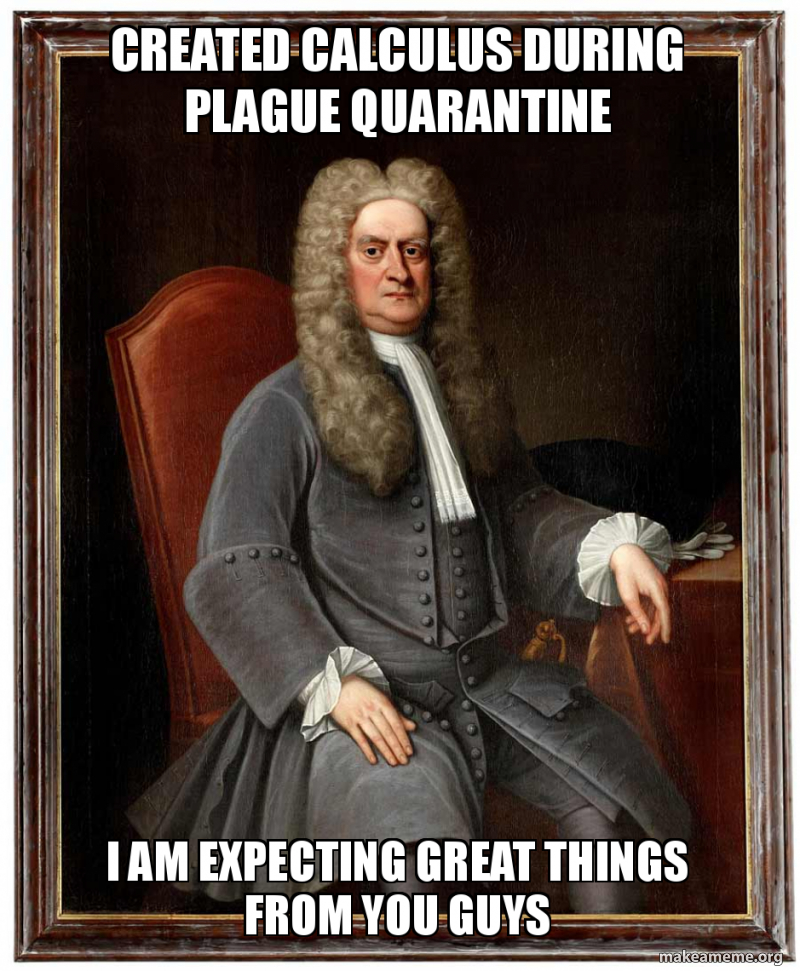
Meme because we’re living through a pandemic 🙂 (from makeameme.org)
Math… *sigh* I don’t think I have struggled with Maths as much as I do now up until IB.
When I made the decision to take Math HL back in Sec4, I had already anticipated for it to be really challenging, but the level of difficulty exceeded my expectations. MAAHL has been a roller coaster ride, and I’m still only halfway through the journey.
I still remember the first day of Maths class. Most of the people in MAAHL had took Additional Maths back in iGCSE, so in some ways, it kind of felt like it was another Additional Maths class at first, just with a different teacher. But then Mr. Kichan started all his orientation stuff and discussed the syllabus with us, and that was when it felt like IB.
The first few days of Math class was okay. Then, the amazing tests came. My initial thought was that it was going to be okay since it is only additional and extended math topics, but boy was I wrong. Yes, it technically was, but Mr Kichan had elevated the difficulty significantly. Those first two amazing tests shocked me. My mind went completely blank during the test. I still remember that he gave some super hard integration question in Amazing Test 2. When I saw that question (and maybe throughout the test), this was my reaction:
I’m pretty sure I failed those two tests, and it just so happens to be the first test I have ever failed in my entire school life. But it’s ok, failures are part of life right? And the most important part is that you learn from your mistakes (right sir? 🙃).
His tests never really got easier, but I got used to it. I can already expect that my brain cells will be killed each time, and my last brain cell will be holding onto dear life as I try to finish his test. But tests are just one small part of Math class, the bigger picture, such as class discussions, are actually fun, most of the time anyways.
Mr Kichan always manages to make Math class light hearted and fun. Even during tests, though it is serious, we still find ways to lighten up the mood and release that stress that’s building inside us. Although Math class is one of the more serious subjects, it is the subject that I feel is the most cheerful and the most jokes are cracked.
As we approached our SA1 exams last year, Mr Kichan gave us a test pretty much every other day. Though that time period was stressful, I found myself to slowly become more relaxed as we got closer to the exams. Perhaps it’s because I got used to the time pressure already and I understood why Mr. Kichan did that. It was to train us, and I’m lucky he did because in the real exam, I was able to pace myself better (not the best, but much better). I ended the first semester with score that I was pretty proud of as I started the term with low scores that were either a fail or barely a pass. But slowly, my scores improved (yay).
The 2nd semester went by in a blur. The first few weeks was basically the preparation for SISMO. Following that, classes went by as normal, until term 4, where we had to adjust to online learning due to the coronavirus pandemic.
Not gonna lie, I dislike online school. It just isn’t for me. I prefer face to face interaction and learning. During online school, for Maths, the majority of the time was spent learning how to write an IA. My first reaction to IAs was that it was super confusing and unclear, I wasn’t sure what to do despite the instructions that was given. I can confirm that IAs are stressful, just like what my seniors have told me. And it especially didn’t help because it was about statistics, and statistics was one of my weakest areas of Math. So when you combine a new learning experience and one of my weakness in Math, that equates to a stressful period of time. However, I pushed through and as I did my second practice IA, it got easier as I now know what I had to do.
Because we have been working on IAs for a few weeks (ever since online school started), I haven’t been doing actual Math questions (like calculating, etc.). So I got kinda rusty, and it didn’t help that I found out that we would be having SA2. Panic rose within me as I tried to recall everything I have learned and “relearn” how to answer questions.
The day before our exams, Mr Kichan had a mock exam for us just so we can get used to the exam platform. That test was relatively easier compared to all his other tests, so I assumed that the real exams wouldn’t be that much harder. And he also mentioned that the questions are from Kognity, so I practiced Kognity questions. When we did the real exams, it was so difficult. We got clowned 🤡. Pretty sure I have already said goodbye to 20+ marks.
Despite not knowing how to do some questions, I have this habit of trying to write a working for every question, even if I don’t know how to do it incase I get lucky and will at least get 1 mark. But in this test, aside from the time pressure, there were some questions where I wasn’t even able to write anything because my mind blanked out and I didn’t know what to write. But it’s done now, and all I can do is wait for the results. What’s important is that I tried my best. And if my best isn’t good enough, it’s time to work harder 🙂
Discoveries and Assignments
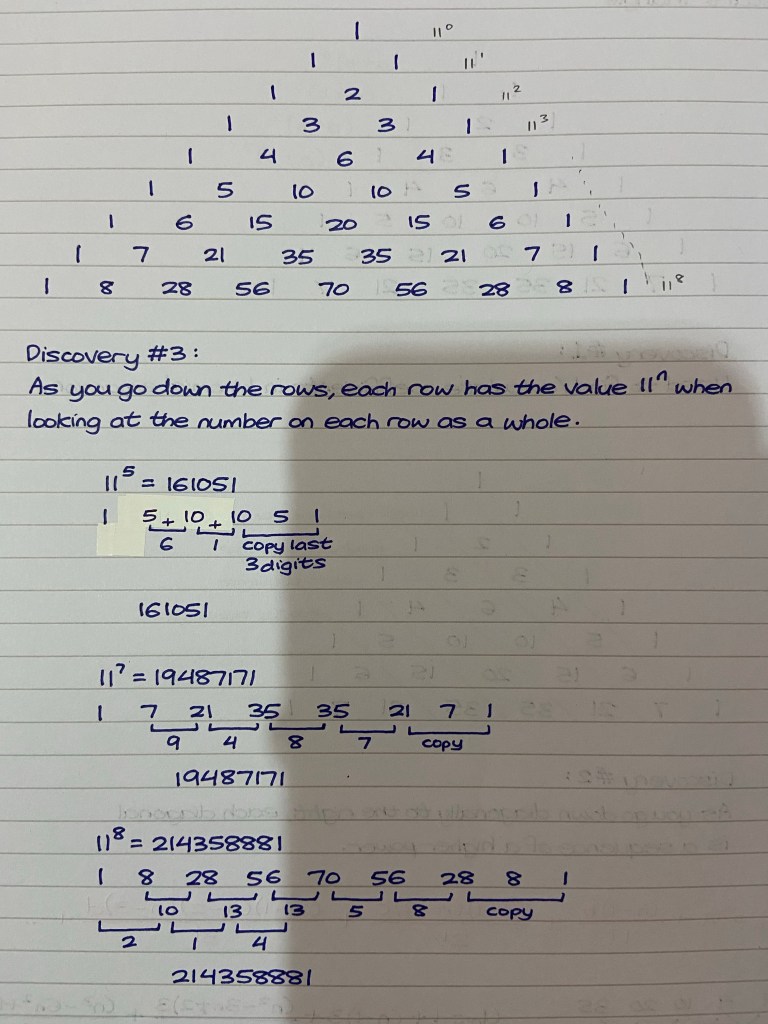
Through our year in MAAHL, we have done countless of assignments and discovered a lot of things during class discussions. One discovery that stands out the most to me is when I found that you can actually find the powers of 11 from the Pascal triangle.
One of the major assignments/projects we did was one of the video projects we made (and it was our first major project I think). This video project involved the entire class coming together to make one single video in a span of only a few days (I think it was 3-4 days? I kinda forgot, oops…). We faced a lot of challenges while making this video, for example, needing to use powtoon and facing the limitations of using the free version. This project may or may not have caused breakdowns, tears, and definitely stress, and I may or may not be still traumatized by this project 👀. This is the video project that was made with blood (not literally), sweat and tears:
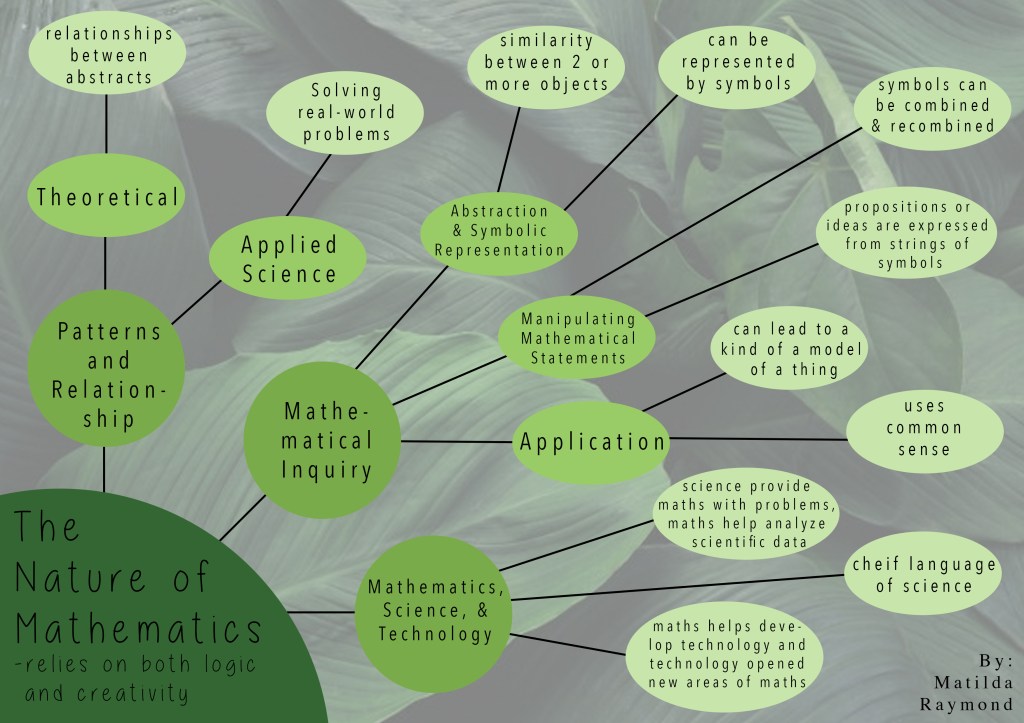
Another project we did was “concept mapping”. We had to read a text and summarize it by mapping it out. This was relatively okay (much less stressful compared to the video). You’ll be seeing a lot of green in the poster because Mr Kichan loves green (ayeee), and I think all of us used green even though he didn’t give specific instructions to do so. Great minds think alike 🙂
TOK: “Is mathematics discovered or invented?”
TOK stands for “Theory of Knowledge” and all IB students have to do it. The simplest way to describe this is that you question every aspect of life, like for example, how do we know what we know. It makes me question my life and my life choices more than I already am.
Axioms are self-evident truths or “a proposition which is held to be self-evidently true in the sense that it requires no proof”, and are the building blocks of Mathematics. By definition, the word “discover” refers to when somebody recognizes something completely knew from something that is already known to the world, while “invent” refers to the creation of something new solely from one’s brain (their ideas, etc.).
So is mathematics invented or discovered? I think this is when we face a blur, grey line here and the answer isn’t just invented or discovered. What do I mean by this? This will be explained below.
To some extent, mathematics was invented but to another extent, it was discovered.
Mathematics was invented in aspects such that must be that very very first person to come up with mathematics. The origin of mathematics can be traced back to pre-historic times Mesopotamia (Babylonia and Sumer) and Ancient Egypt. Though we can infer, no one is completely sure of the origin as there is no proof regarding the first use of mathematic’s origin. If this was to be true, it means that the people of Mesopotamia and Ancient Egypt were the inventors of Math, because previously, Math didn’t exist and thus, they couldn’t get an idea from a pre-existing idea.
So then, how is mathematics also a discovery? Sometimes, Mathematicians invent a mathematical concept with no purpose in mind. And another Mathematician would see that concept, and come up with an application for that concept. This is discovery. And this discovery will continue as Mathematicians based off their discoveries from previously discoveries and invention.
In conclusion, Mathematics was neither discovered or invented. But instead, it is a combination of both. Because without invention, discoveries in Mathematics wouldn’t have happened.
International Mindedness
Bourbaki is a group of mathematicians from France that believe in analytical learning. In the textbook that they wrote, it was filled with words and zero pictures and graphs. On the other hand, mendelbrot is a mathematician that believes in visual learning, such as graphs.
To some extent, I agree with Mendelbrot, but I also agree with Bourbaki. In some cases, analytical explanation and learning is better as words and equations can sometimes explain concepts and questions better. However, sometimes, these concept and questions can be explained and understood better if there are drawings like graphs. This applies to branches of mathematics such as functions. In functions, although you can solve equations without a graph, sometimes graphing aid in the ease of solving questions and equations.
In conclusion, I think that between analytical and visual explanation, none of it is better than the other. I think that the best learning is when these two are combined.
IB Learner Profile
Inquirers: I learned how to nurture my curiosity by looking up things I’m curious about and to also conduct research effectively through the times Mr. Kichan asked us to research first instead of giving us the answer immediately. I have also learned to learn independently (like during tests, blogs, etc.) and to also work with others (video project, SISMO, etc.).
Knowledgeable: I was able to develop skills in various aspects such as conceptually understanding concepts. I also explored topics from various subjects and tied them to Maths. For example like how my ITGS class was useful when making the video, and also how statistical tools I have learned in Math can be useful in Biology and Chemistry.
Thinkers: Through all the tough questions we have been given, I was able to develop my critical thinking skills by dissecting each question to make it more understandable and doable, and also my creative thinking skills.
Communicators: I developed this especially during SISMO, where I learned how to communicate with others, to listen properly and to also take into account of everybody’s perspective. I was also able to develop the ability to speak more confidently during class discussions.
Principled: This refers to acting not only with honesty, but also with integrity. I take responsibilities for my actions for example, though it is minor, when I make a careless mistake during a test, it is my fault and there is nobody to blame but myself. And I accept the consequence, which in this case is losing marks.
Open-minded: I learned how to see things from other’s perspective and am willing to learn from my experiences. For example, during class discussions, when a question is presented, different people will have different ways on how they approach the question. Thus, have different workings. So although somebody’s working may not be the working I’m used to, I’m willing to be open to that working as it may be helpful.
Caring: In the class, we respect each other, like by listening when somebody’s talking. We also care for and help one another, which can be seen from when we teach one another if we don’t understand the question or the task.
Risk-takers: When facing challenges or uncertainties, I look for ways to approach it. And also, work with my friends when exploring new ideas (like when we were introduced to complex numbers for the first time). Additionally, submitting assignments a few minutes before the deadline 🙃
Balanced: We know how to keep the class balance, like when to be serious and when to joke around. Because if we are just serious all the time, we will go crazy. So we need to be balanced to lighten up the mood.
Reflective: Especially during the blogs that we have written, I look back to identify my personal strengths and weakness, and how I can improve myself.
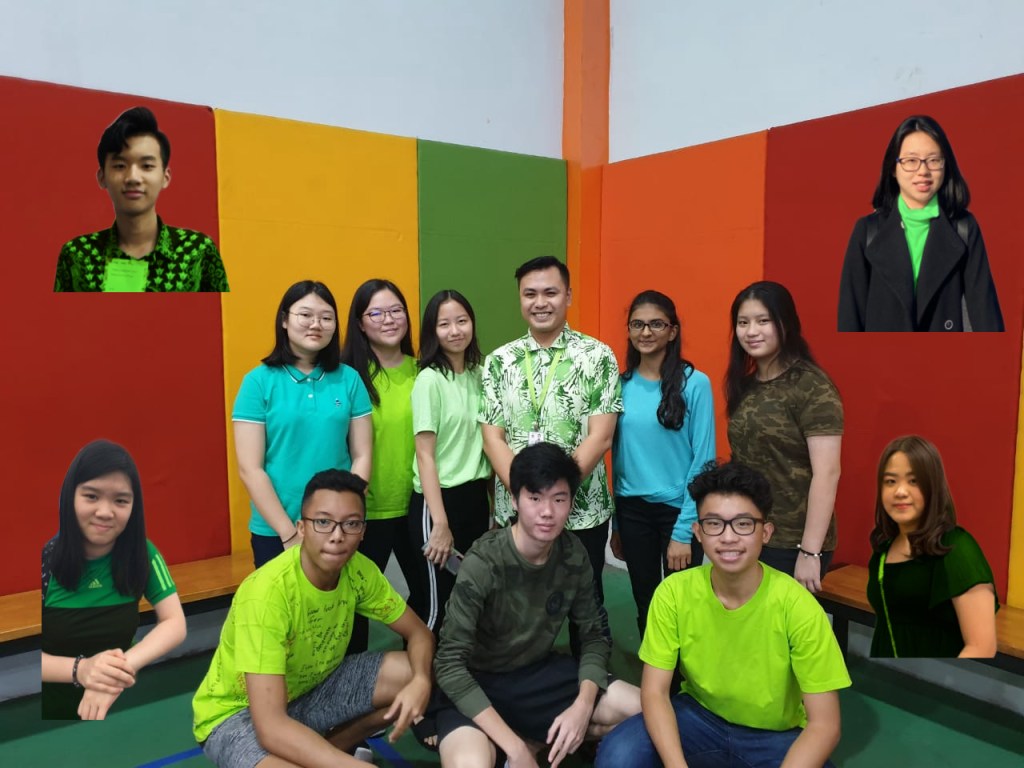
MAAHL fam 💚
Mr Kichan, I just want to say that despite all the stress you put us through and for killing my brain cells, I truly do appreciate everything you have done. From teaching us Maths, to dealing with our everyday craziness. Thank you for not only being a teacher, but also a friend. Thank you for always encouraging me and pushing me to strive higher, and also for believing in me when I have lost all hope. Sorry if I have ever disappointed you (like that vectors test), I promise I will do better and will always try my hardest 🙂
“Coming together is a beginning. Keeping together is progress. Working together is success.”
Henry Ford
Preparation
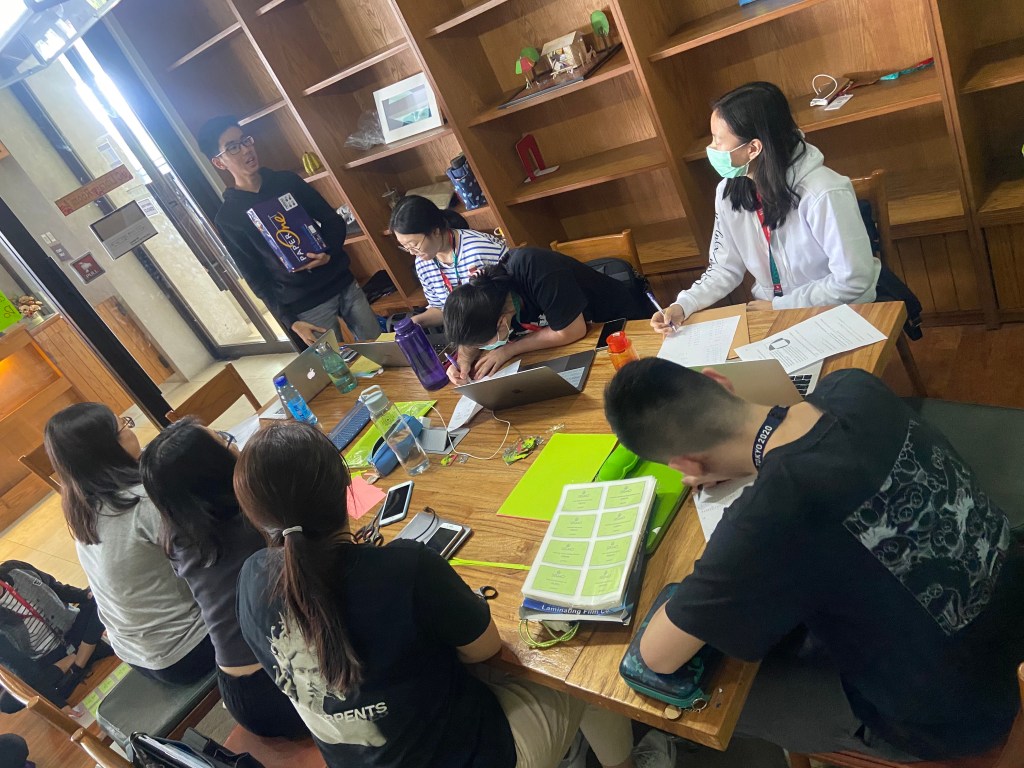
Some time last year, between late-ish November to early December, the Junior College Mathletes started planning SISMO. SISMO stands for Singapore School Mathematics Olympiad, and is the first ever Mathematics olympiad our school has ever organized. This event was organized by a group of us JC1 students with the help of 3 of our fellow senior Mathletes (JC2s) and our Math teacher, Mr Kichan. We had 3 goals in mind while organizing this event, which was to improve school relations, encourage interest in Maths, and to raise funds for charity purposes.
We were asked to organize this event for STEAM week. As STEAM week was usually held in March in our school, we thought that we would have a few months to prepare. But upon checking our school calendar, we quickly realized that STEAM week at the end of January this year, which gave us a little over one month to prepare (*panic*). However, we trusted one another that we could do it and quickly figured out a plan and executed it.
Tasks were divided amongst the committee members. I was given the job “Director of Logistics”, which basically means that I was in charge of making sure everything went smoothly in terms of logistics, and to communicate with the school on what we need for the event (such as tables and chairs). However, the nice thing about our teamwork was that we weren’t really pinched and hold on our positions. We all helped each other out even if it wasn’t necessarily our job.
Throughout the last 1-2 weeks of Term 2, before the December break, we had to rush to not only complete the proposal to propose to the school, but also begin collecting contact details of the schools we planned on inviting and write the letters and documents that needed to be sent. And within less than a month of coming together to organize SISMO, we have sent out the invitations to schools.
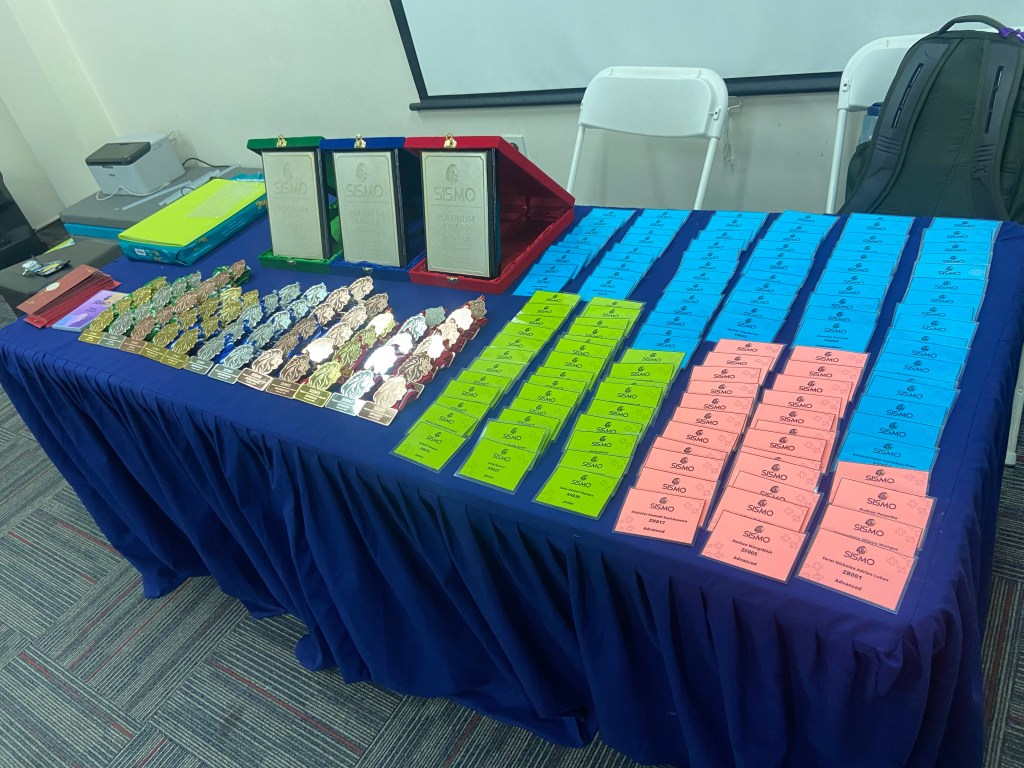
Coming back from the December break in January, we started to really invest our time in the preparations. These preparations include finalizing, checking and printing the exam papers, designing, printing and making the tags for the participants, and designing and getting the awards made. I’d say that the last week before SISMO was probably the most hectic as that was when we printed everything (papers and tags). We also had to check the question papers, which means trying out the questions and ensure that our answer key was correct (you know what they say, “a taste of your own medicine”, so before we “tortured” the participants with the hard math olympiad questions, we had to wreck our brains to try and solve it. I los a lot of brain cells that’s for sure.)
SISMO preparation
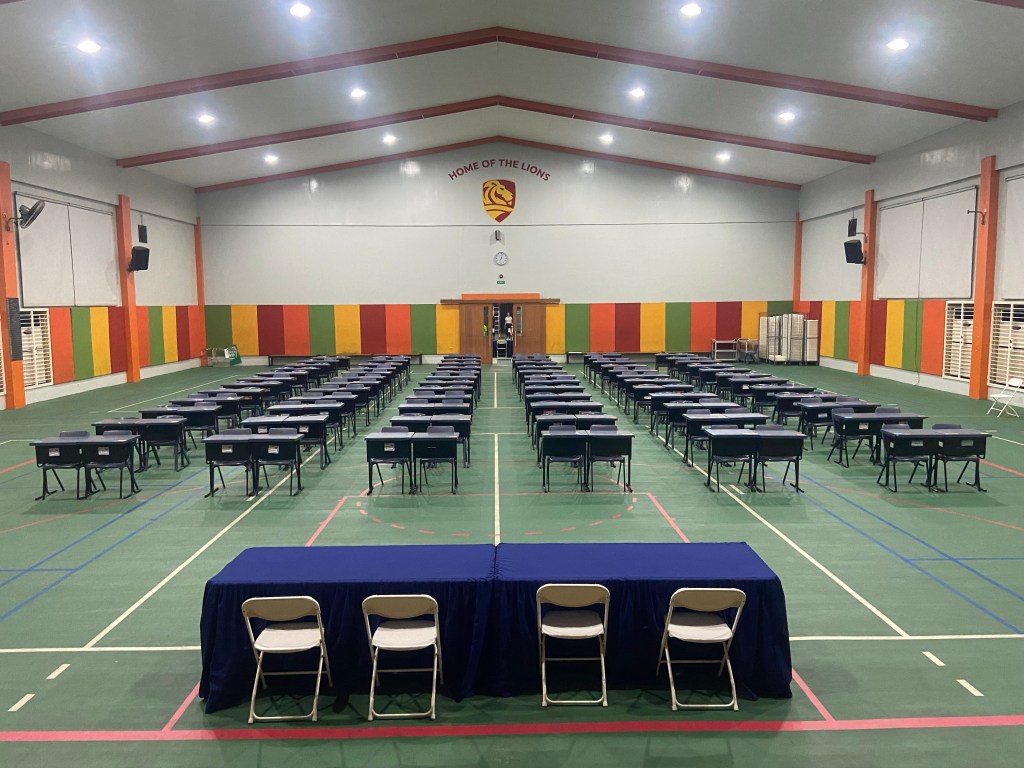
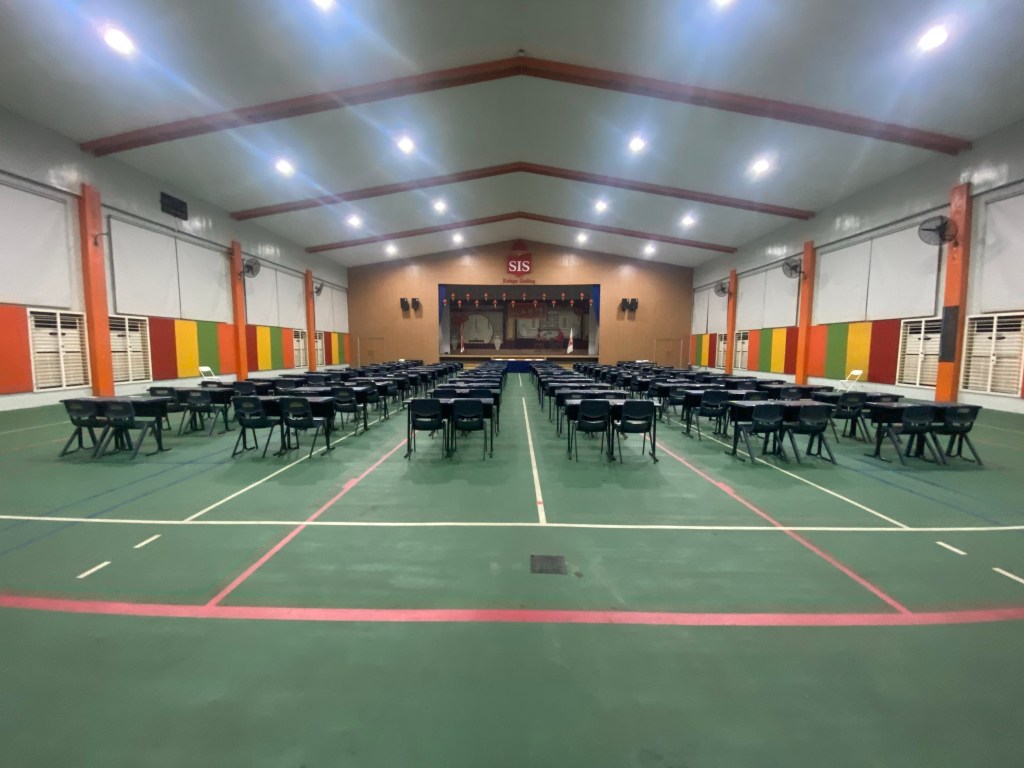
The night before the competition, we stayed in school until around 7pm to make sure everything was set up properly (like tables, chairs and tags) and to finalize everything. We also had a meeting to distribute tasks for the next day so we each know what to do.
Ready for SISMO 🙂
Throughout the preparation, some parts were quite stressful not gonna lie as we had so much to do in such little time, but I also had a lot of fun. I personally learned more about myself that I didn’t expect. For example, I didn’t expect myself to enjoy designing as much as I did. As we didn’t have anyone in charge of designing, some of us took it upon ourselves to design. Usually, I find designing to be quite stressful since I tend to not have good ideas or I’m not able to execute what I have in mind. However, this time, I actually didn’t find it stressful but instead actually enjoyed it. I ended up designing the awards, certificates, tags and one of the banners. Previously struggling with time management, I felt that this event really pushed me (basically forced me) to manage my time well because I had responsibilities to complete on top of school work (IB… *cry*). It pushed me to become more productive.
As a team, I felt that we had some ups and downs. Before 2019 ended, we had less than 10 participants. Even after we came back from the break, we still didn’t have that many participants. I felt that this brought us down a bit and discouraged us. However, we continued to promote our event and contact schools. Gradually those numbers grew and our motivation increased as well. And in the end, we were able to have approximately 130 participants from 13 schools all over Jabodetabek (not too shabby for our first Math olympiad).
This was my first time organizing a large scale event as well. Not only was teamwork incredibly important, but also communication as well. Even when challenges and problems arose, we did faced them head on and didn’t give up. Overall, I thought that we all worked together really well and it helped that we all already knew each other beforehand and are friends.
Competition Day
The previous day, we agreed to arrive at 7am and made a deal that for every minute someone was late, that person has to pay Rp. 10,000/minute since we often don’t arrive on time. This deal actually worked quite well as most of us arrived on time. However, the funny part was that Mr Kichan was the one who propose this deal to us and he ended up having to pay around Rp. 200,000 because he was 20 minutes late 😂 (I’m sorry for exposing you sir 🙃).
The morning of the competition, it was actually raining pretty hard. Because it had flooded the week before, we were worried that there was going to be flood and that participants wouldn’t be able to come. We had thought of contingency plans in case it flooded and participants were unable to come. But luckily the participants were all able to arrive safely and we started the competition on time.
However, before the participants arrive, panic and chaos happened. We had locked the question papers in one of the cabinets in the JC library. That morning, when we were going to take the papers, we couldn’t find the key. The key was misplaced somewhere. We didn’t know where it was. So we took a bin that holds all the keys to all the cabinets in the library and tried to see if we accidentally placed the key there. But it wasn’t there. We tried a few of the other keys but none of them opened the cabinet. Panic started to set in. So as a last resort, we decided to try and pick the lock, and pay the school for any damage we did by doing so. We went to youtube and started watching a tutorial on how to pick a lock. While we did this, Helen was trying all the keys one by one, trying to see if any of the other keys would open the cabinet. As we just started watching the video, Helen suddenly managed to open the cabinet and we were all so relieved (Helen, our life savior).
24 Game
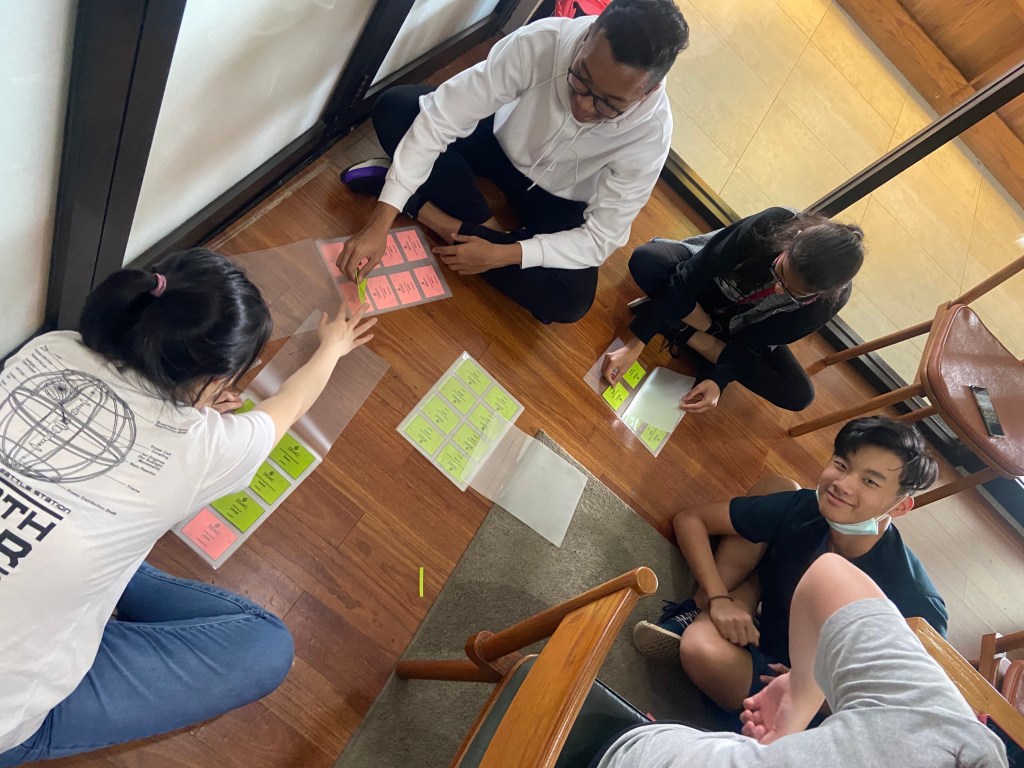
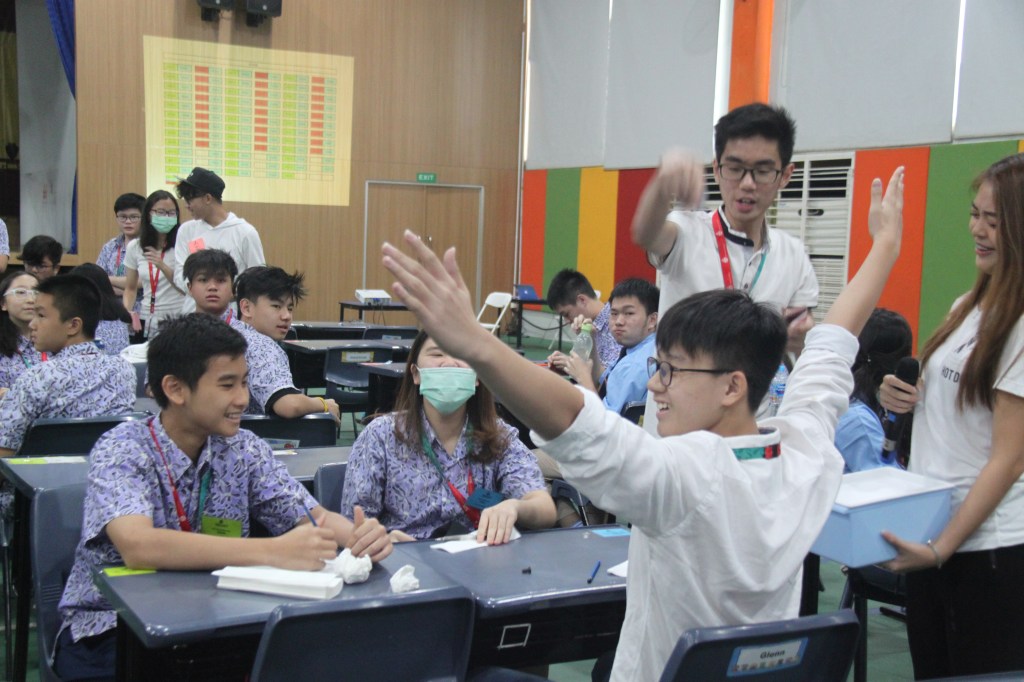
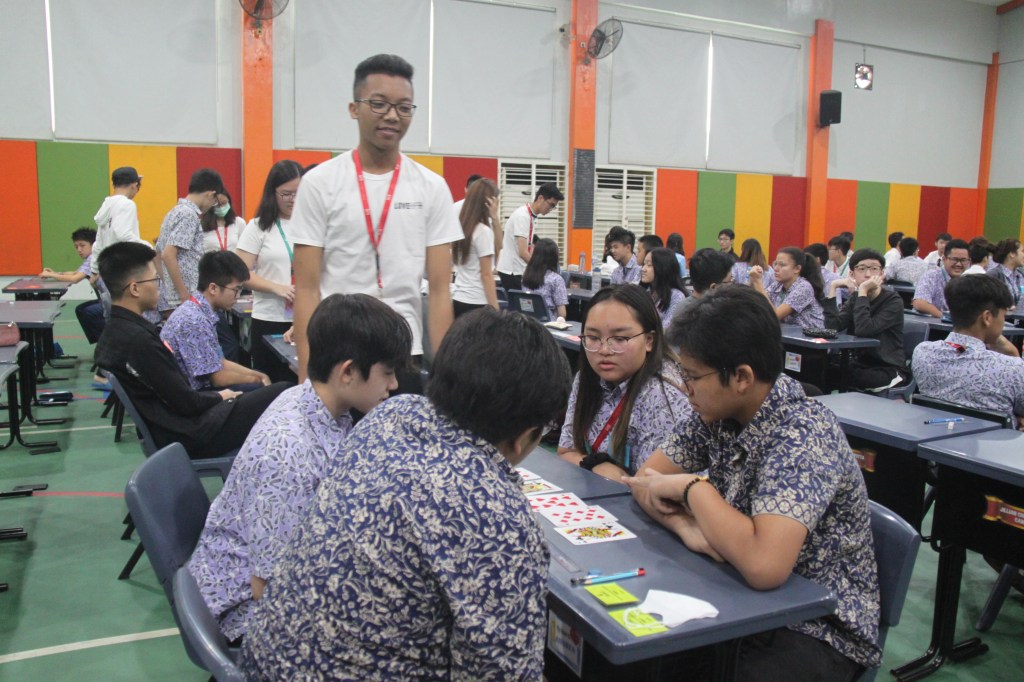
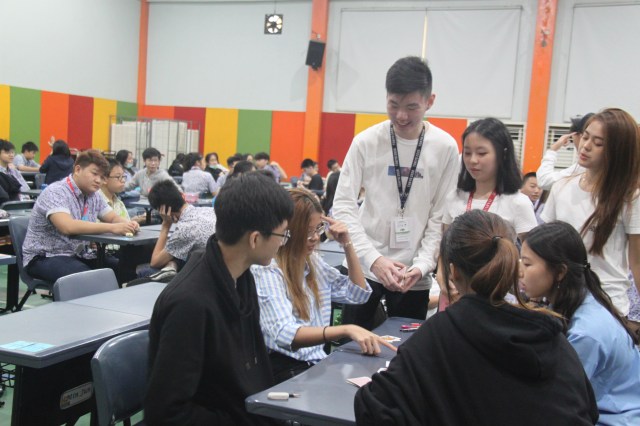
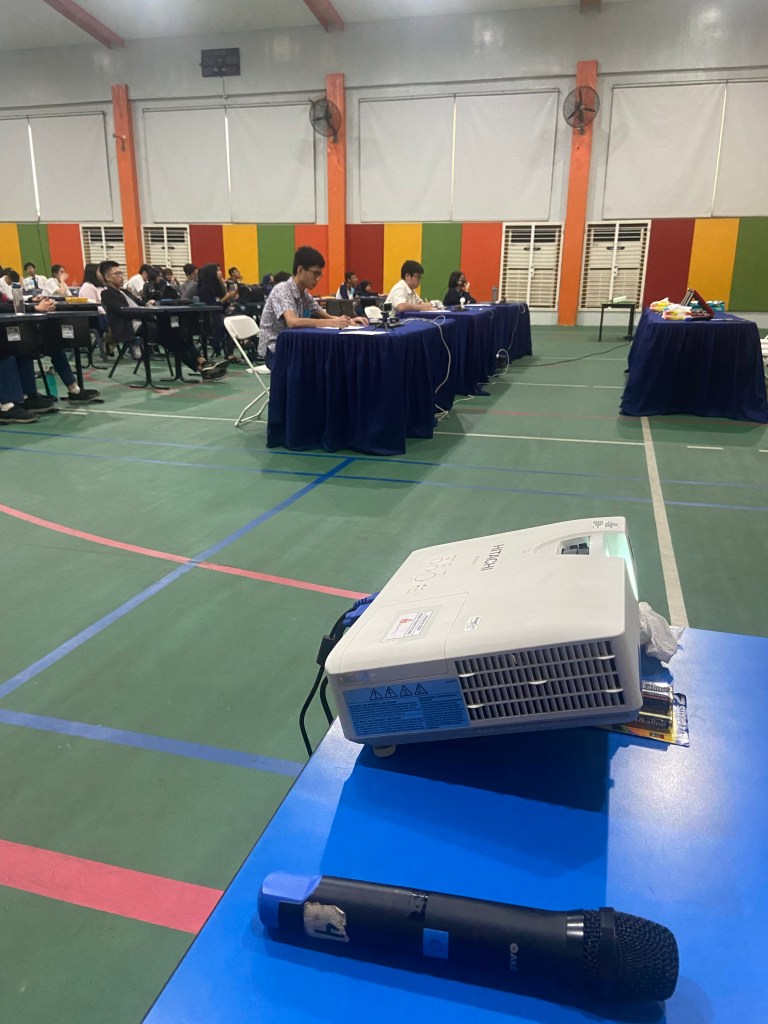
After all the participants had arrived, we started the competition. The atmosphere was kinda awkward and tense at first. We started the competition by playing an ice breaker game, which was a simple math game, the 24 card game. We actually didn’t have enough decks of cards, but we somehow managed to work with what we have and everything worked out well. We decided to incorporate an ice breaker game to loosen up the atmosphere and to also warm their brains up as we know how stressful and tense Math olympiads can be. It’s also something different from other Math olympiads as usually, Math olympiads don’t have any ice breaker games.
24 game
Round 1: MCQ
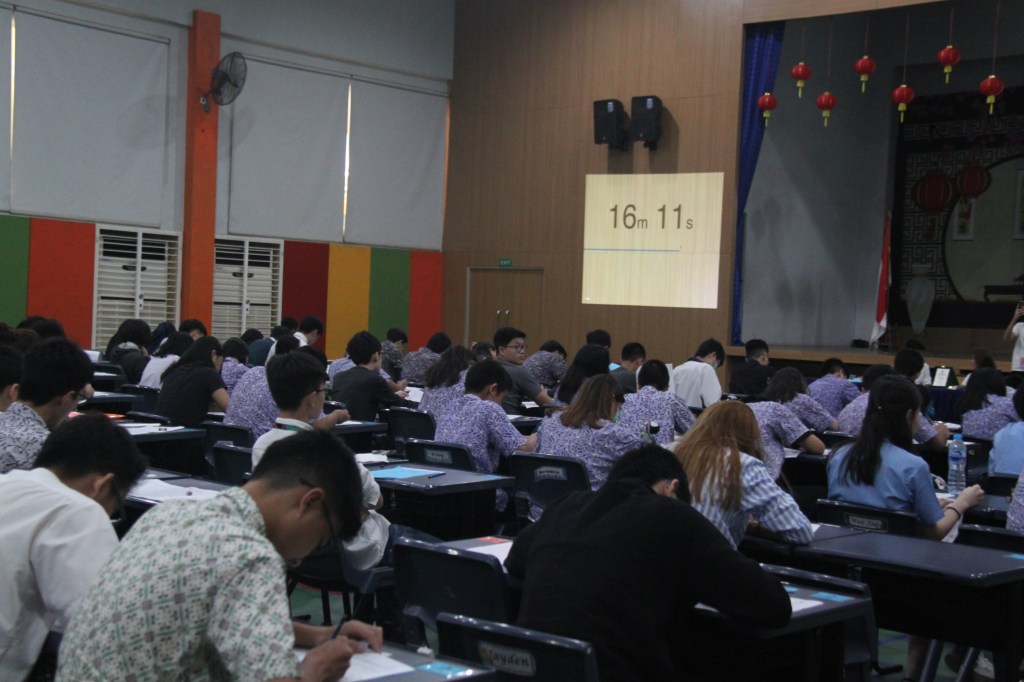
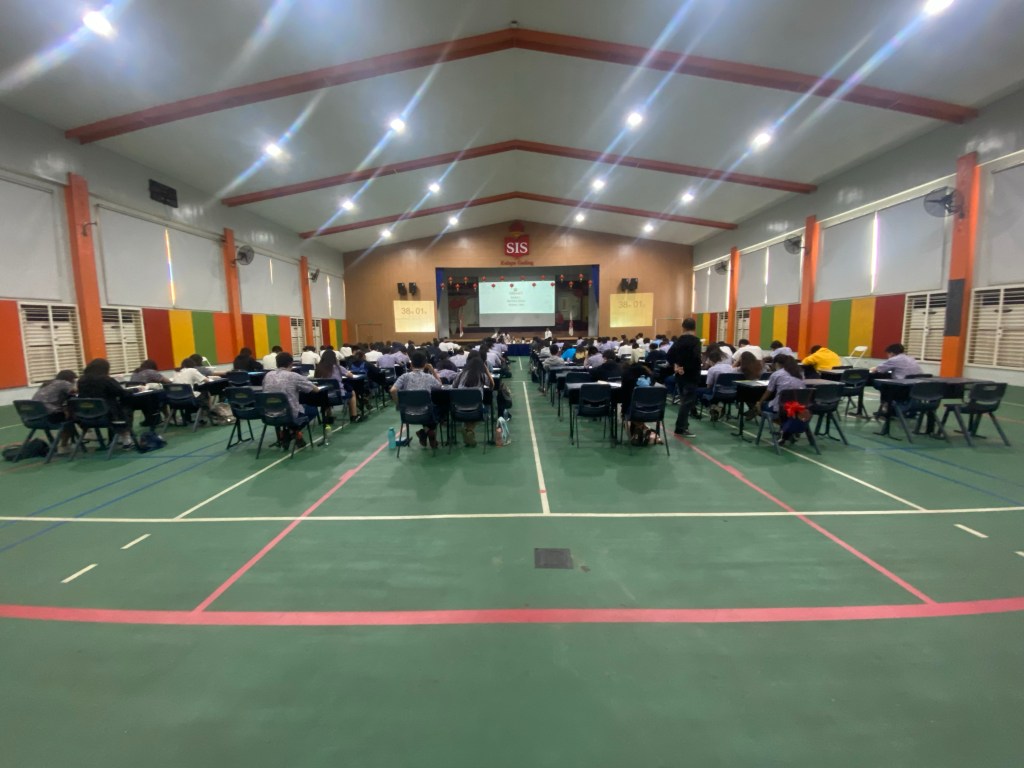
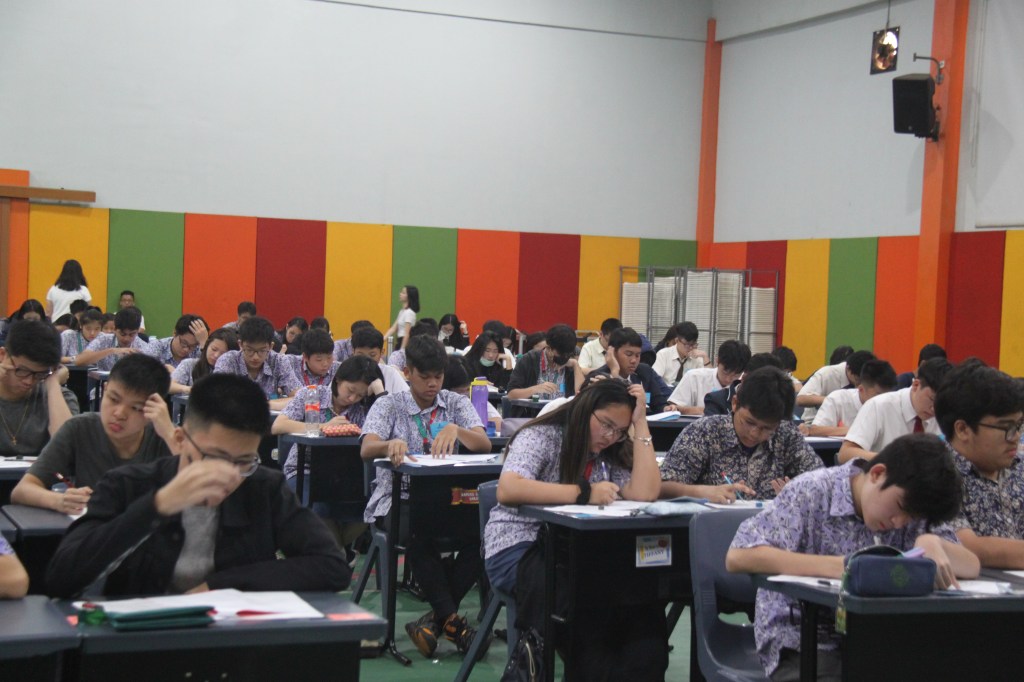
Once we finished the ice breaker gave, we distributed the MCQ paper, which was our first round. The committee members, including me, helped invigilate, along with the Math teachers. It was actually interesting to invigilate and be on the other side, see things from a different perspective. It was something different and a new experience. Seeing their distressed faces was actually kinda fun (sorry not sorry, lol. Jk, I know how you guys feel. Math olympiad stresses me out too.).
When round 1 was over, we collected the papers and went to another room to check them. Checking was surprisingly quick. In less than 30 minutes, we managed to finish checking all the papers. Checking papers were actually fun. It was interesting to see which questions the participants were able to answer. And it also gave us a good idea on the quality and level of difficulty of each question.
Round 2: Structured Questions
After the break, we started round 2, which was the structured questions paper. Just like round 1, we invigilated. However, this time, we had “shifts” and took turns invigilating so we could eat. And when it is over, we collected the papers and went ahead to check them, just like we did with round 1.
Kahoot + Lightning Round
To buy us more time to finalize all the scores and checking, we played a round of Kahoot. I actually made most of the Kahoot questions with the help of some of the other committee members input. I made the Kahoot questions to be less mathematics-ish, like solving an equation, and more of a logic and general knowledge about Math. I thought that since we were including teachers, this would make it more fair for everybody.
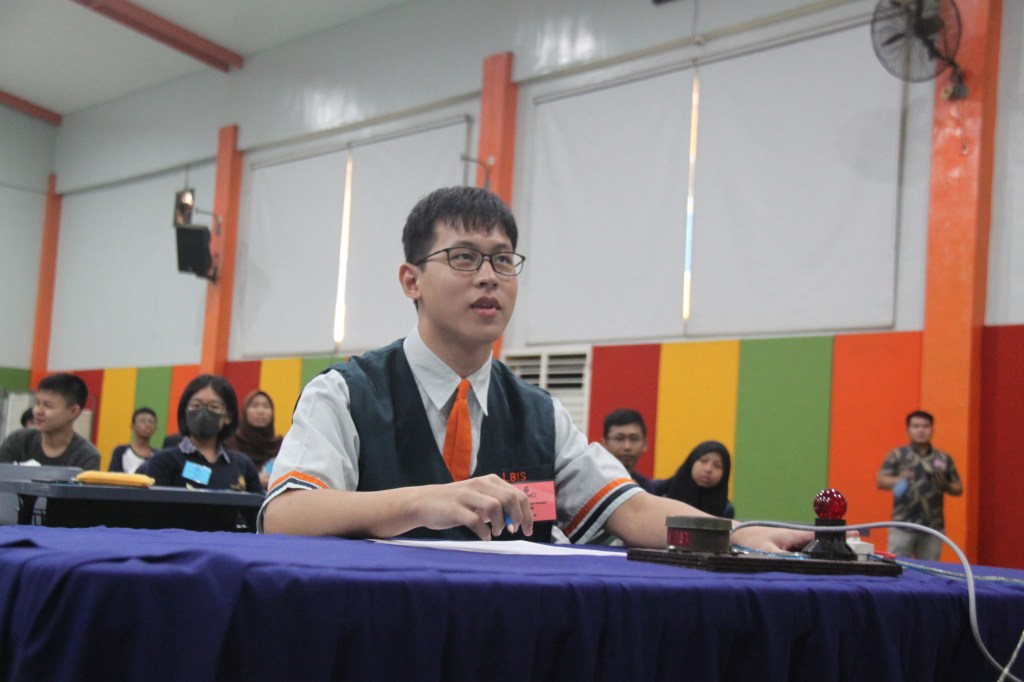
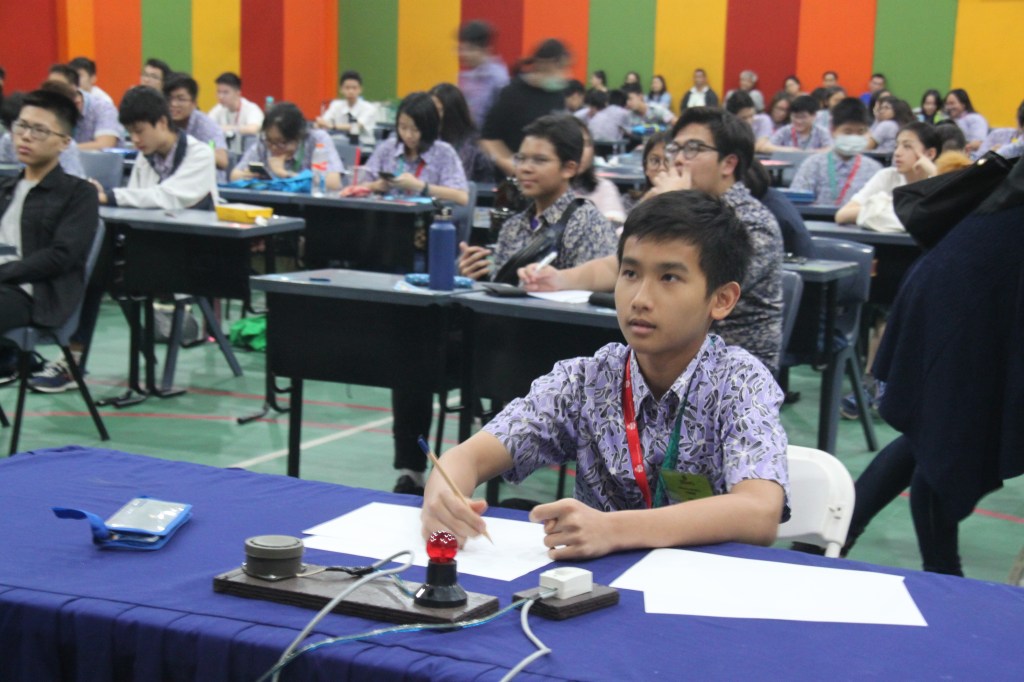
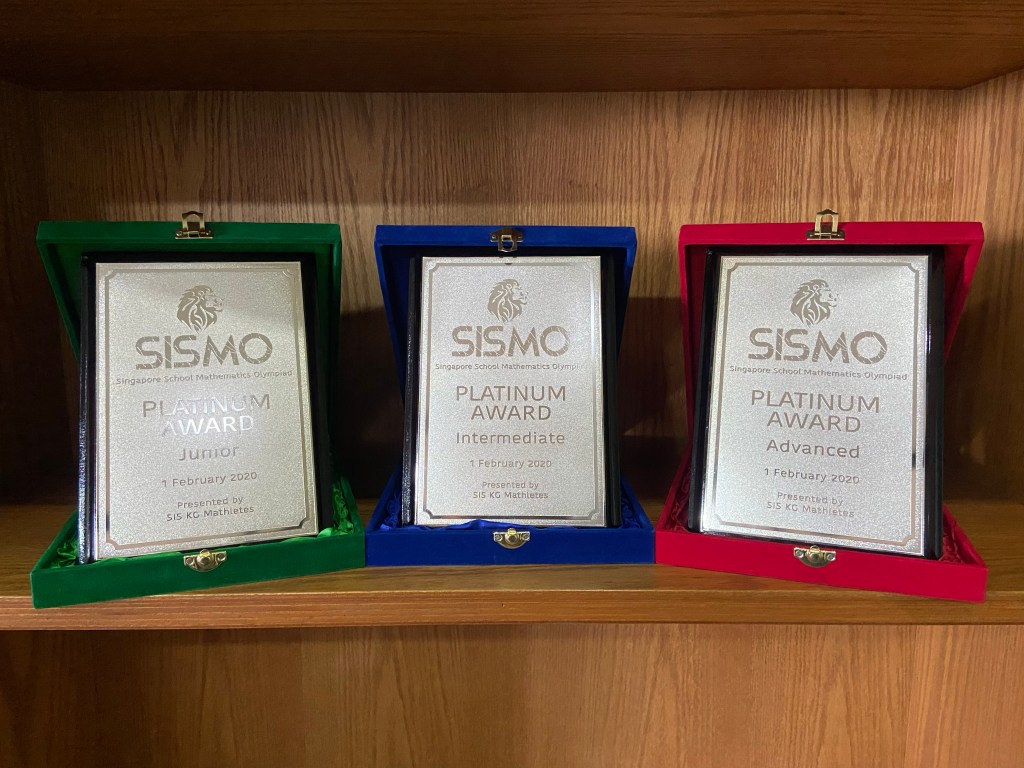
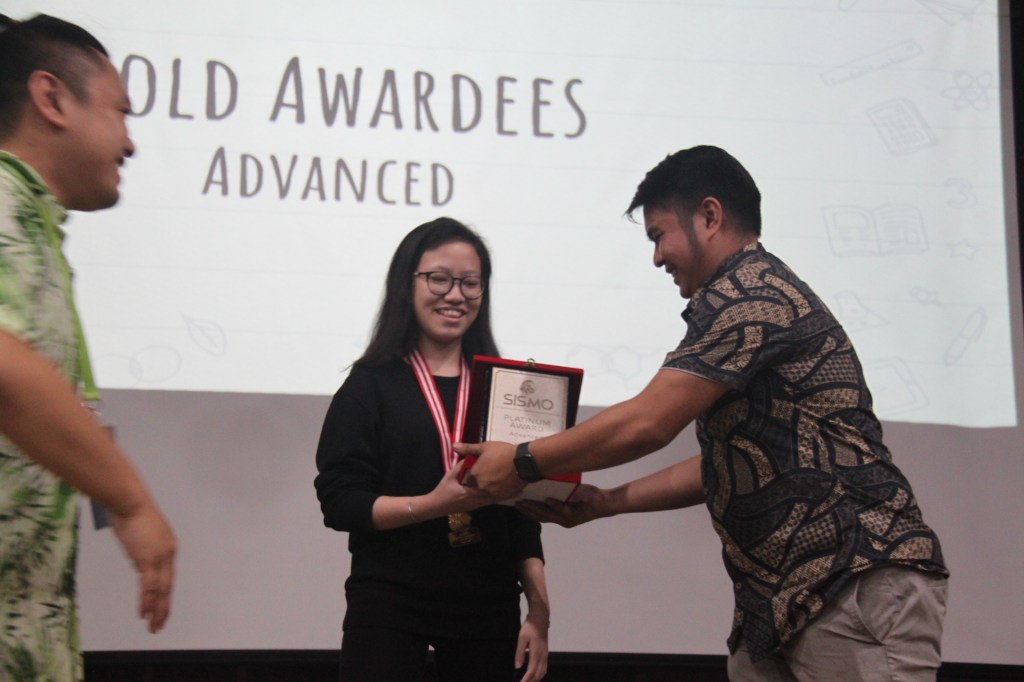
After the Kahoot, we had a lightning round. The lightning round is where the top 3 scorers of each round go on stage and answer questions, giving them a chance to win the platinum award. I helped operate the computer during this time (like the timer). So I sat near the stage, and the atmosphere was tense. They were all vying for the platinum award (I think it’s mostly because they wanna win the 1 million rupiah 😂). I had never seen the questions beforehand, and they were really hard. I don’t know how I would feel if I were in their positions. I would probably do really bad
Awarding Ceremony
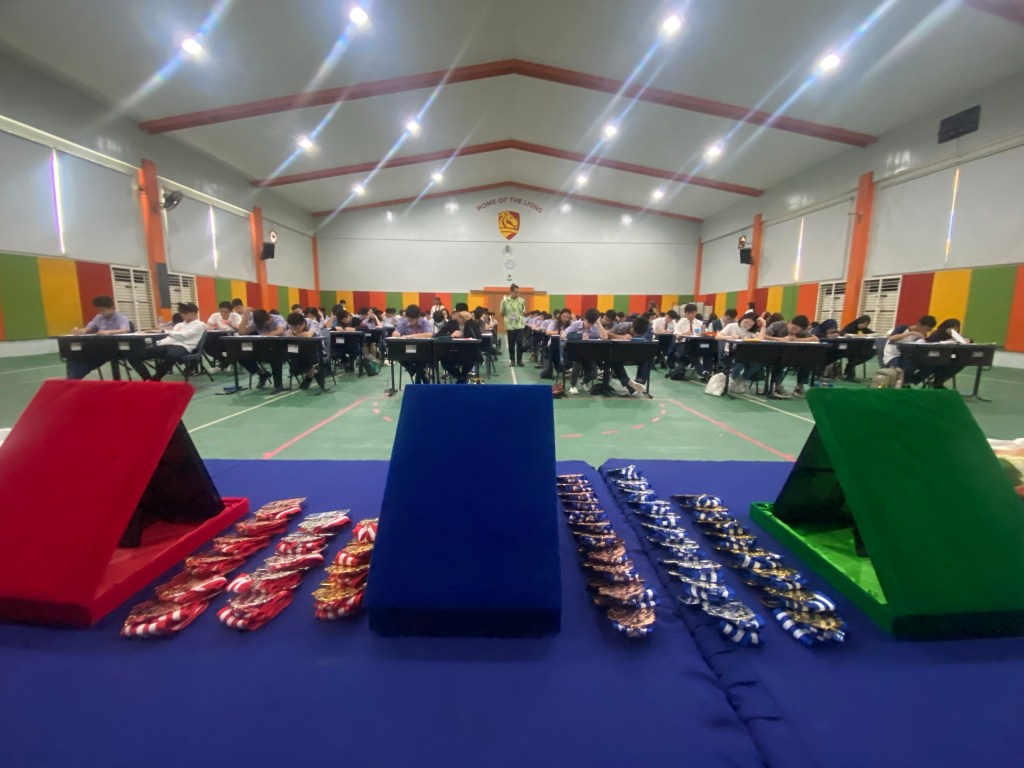
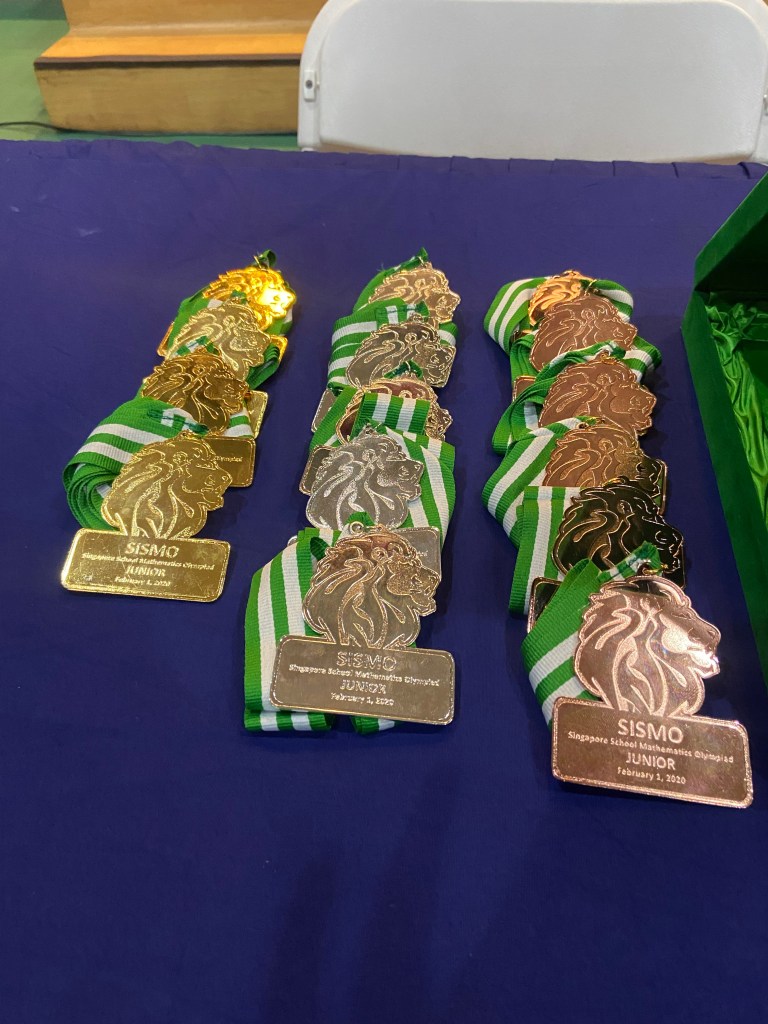
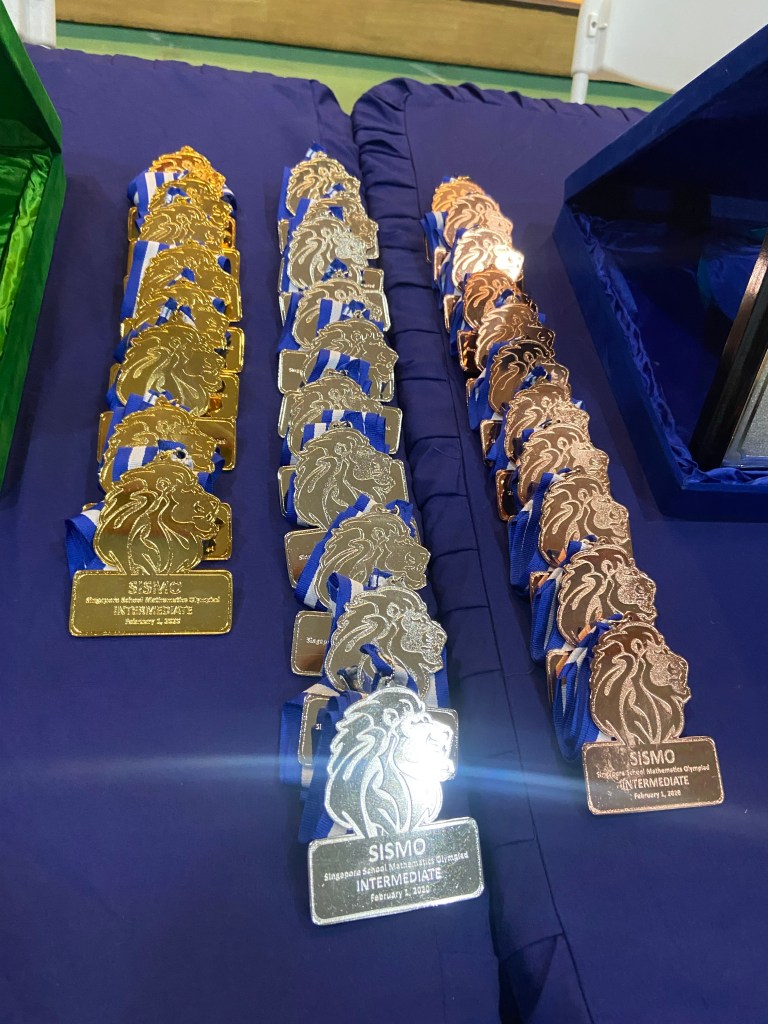
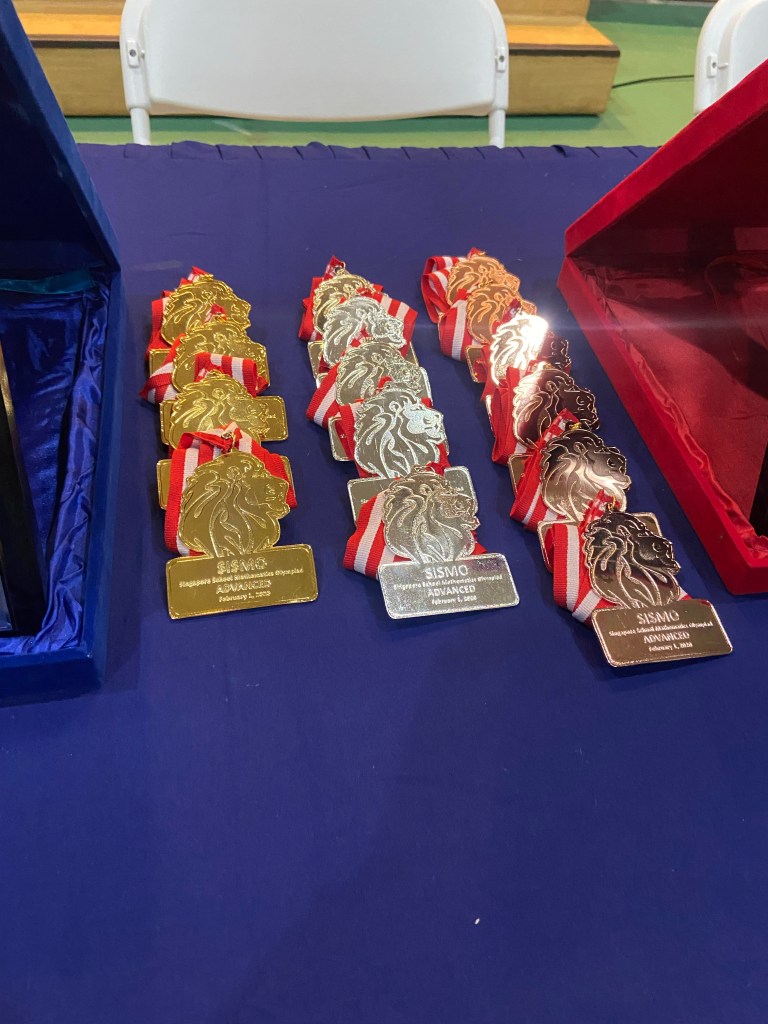
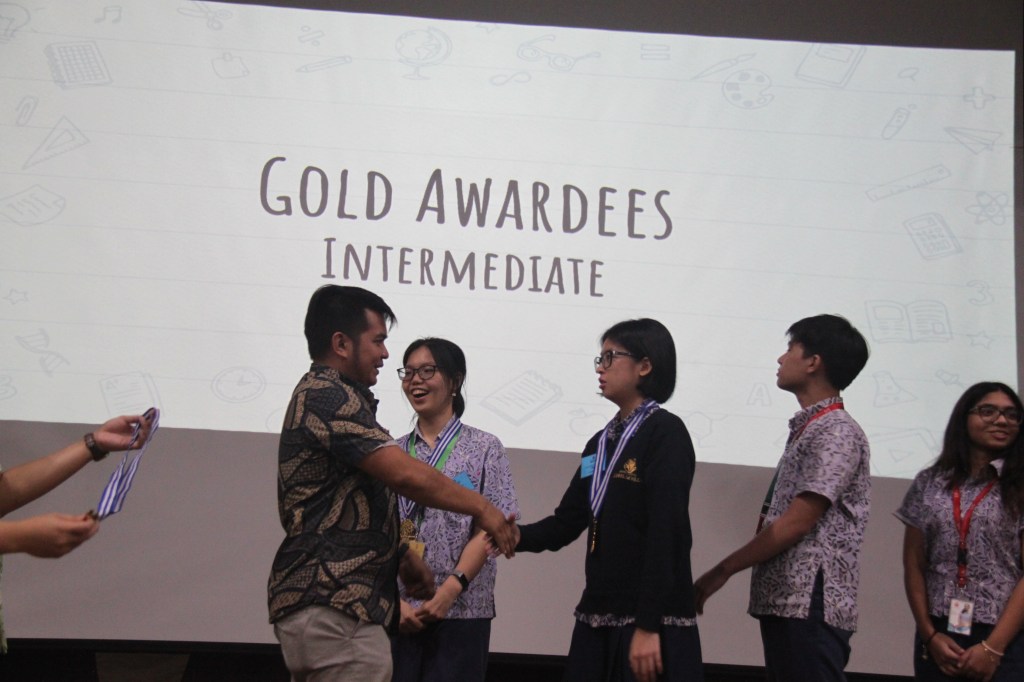
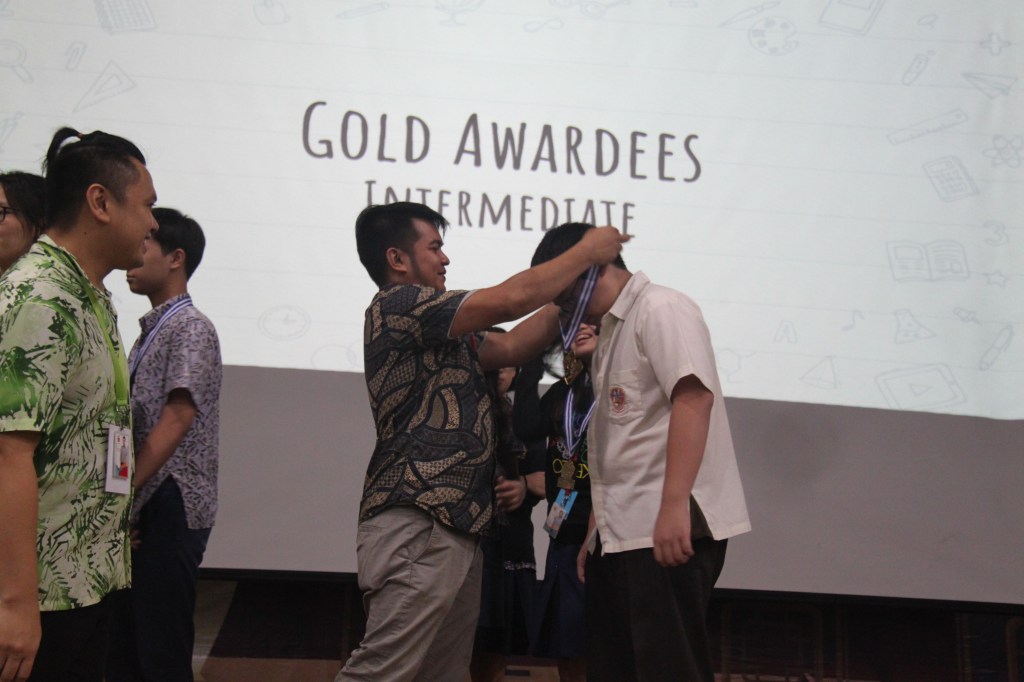
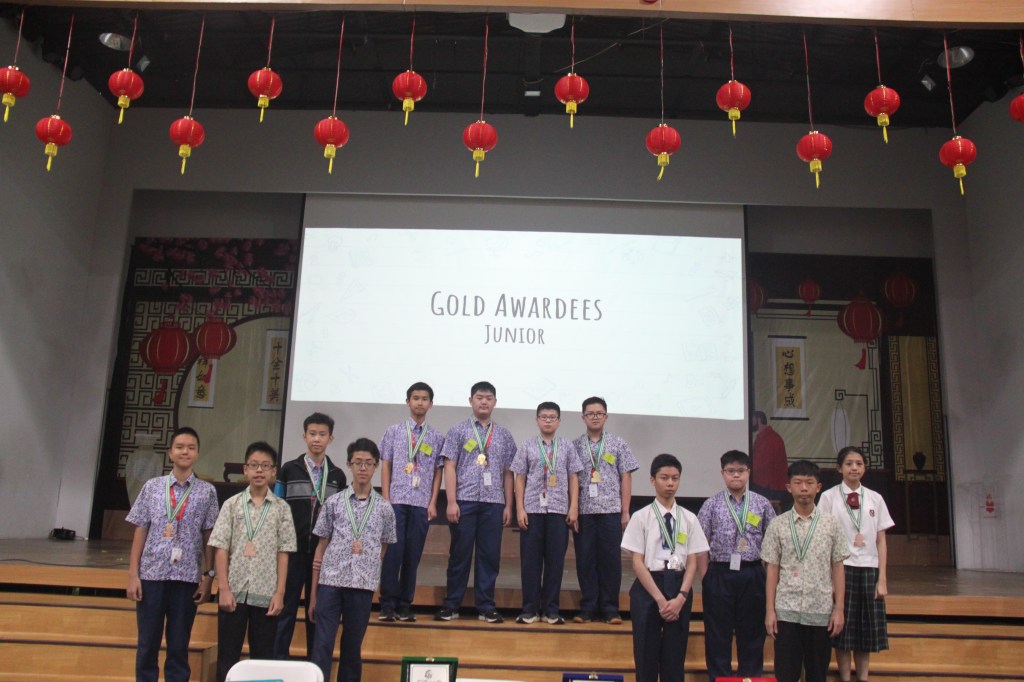
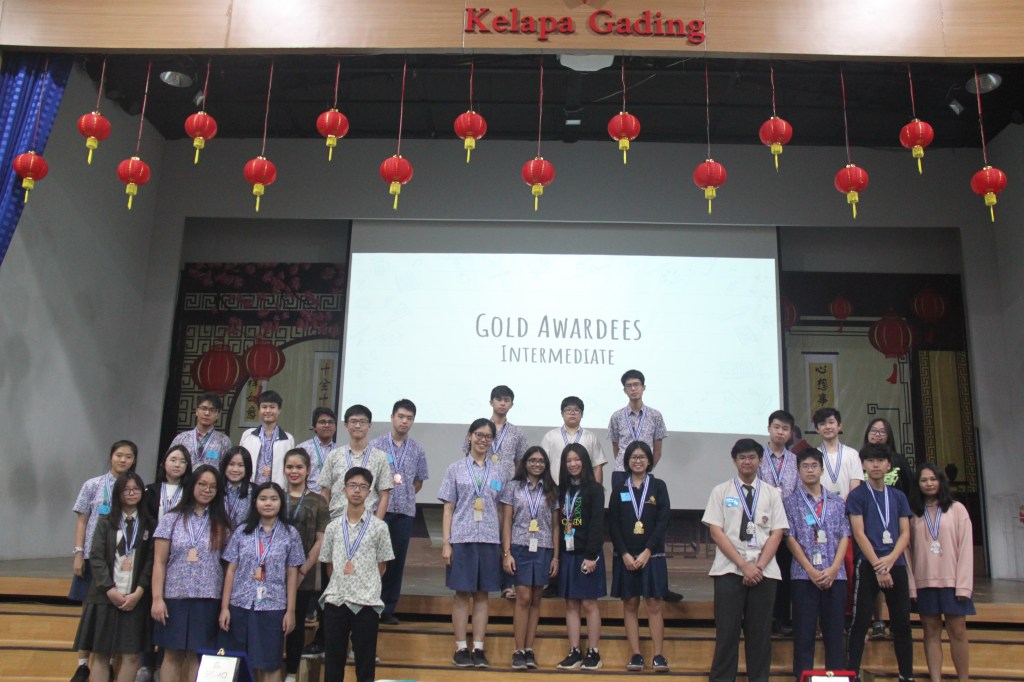
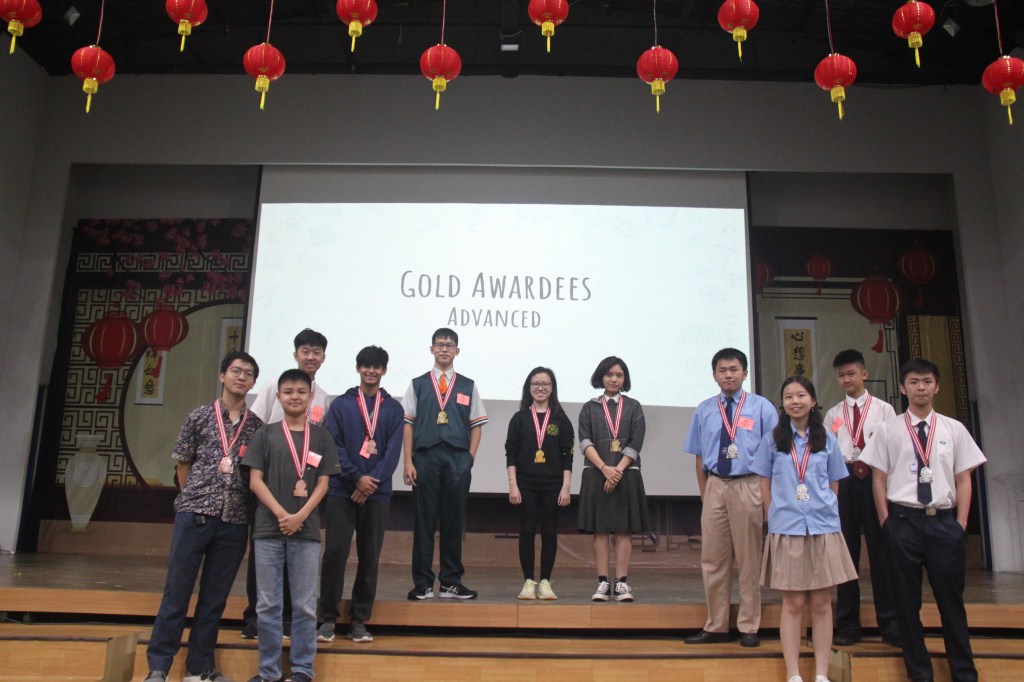
After the lightning round, we had a short dance performance by Halakatas, giving us some more time to finalize the list of awardees. Once the dance performance were over, we began giving out awards. I could feel everybody’s nerves, anxiously waiting to see if they were going to win an award.
Awards
Awarding Ceremony
Reflection
I felt that when we were checking papers, we could’ve been more organized as we all were checking on the floor. So for next year, an improvement is that we could possible have tables for when we check papers. On some of the participant’s scratch paper, I found drawings that were actually really good (if only this was a drawing competition…).
Another thing I learned was that our actions are really important when invigilating. For example, we shouldn’t play our phone or talk amongst ourselves, even if it is only whispering, as it could possibly disturb and distract the participants (sorry sir).
Overall, I thought that SISMO was very successful. Not only did I learn a lot of things, but it was also a very enjoyable experience. I made a lot of good memories throughout this experience. I felt that teamwork is one of the most vital aspect when it comes to organizing any event, whether it is small scale or large scale. I think that the quotes below describes how important teamwork is.
“Alone we can do so little; together we can do so much.”
-Helen Keller
“Teamwork is the ability to work together toward a common vision. The ability to direct individual accomplishments toward organizational objectives. It is the fuel that allows common people to attain uncommon results.”
Andrew Carnegie
“None of us is as smart as all of us.”
Ken Blanchard
Even when we were doubted because this was a student-led event, we didn’t give up. Instead, we persevered and pushed through. We trusted each other, relied on each other and helped one another throughout this event. We strived to place a high standard especially since this is the first SISMO. I think that this event brought us closer and made us learn stuff about others that we previously didn’t know. We may have had a rocky start, but we got into the groove of things and everything improved from there. It was, and still is, a wonderful and amazing experience.
I am proud of not only myself, but all of my fellow committee members and friends. I’d like to thank everybody for making this an unforgettable experience and a successful event. I’d like to especially give a big thank you to Mr Kichan for all his guidance throughout this entire experience. I hope that SISMO will become an annual thing in SISKG, and it will become bigger each year.
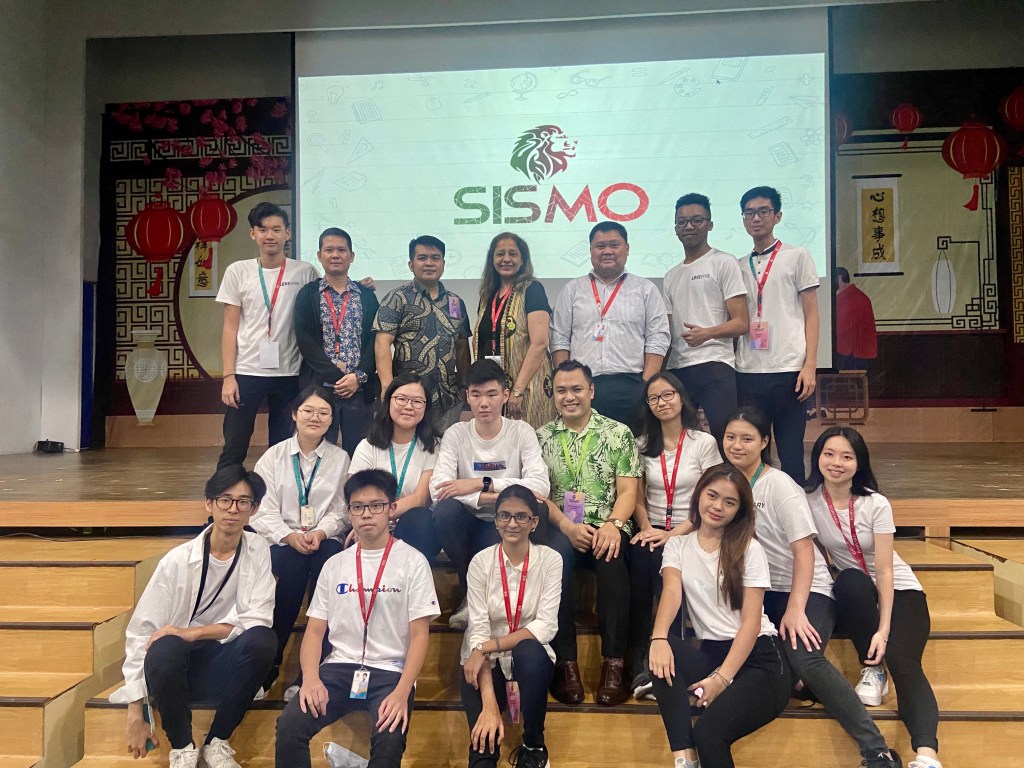
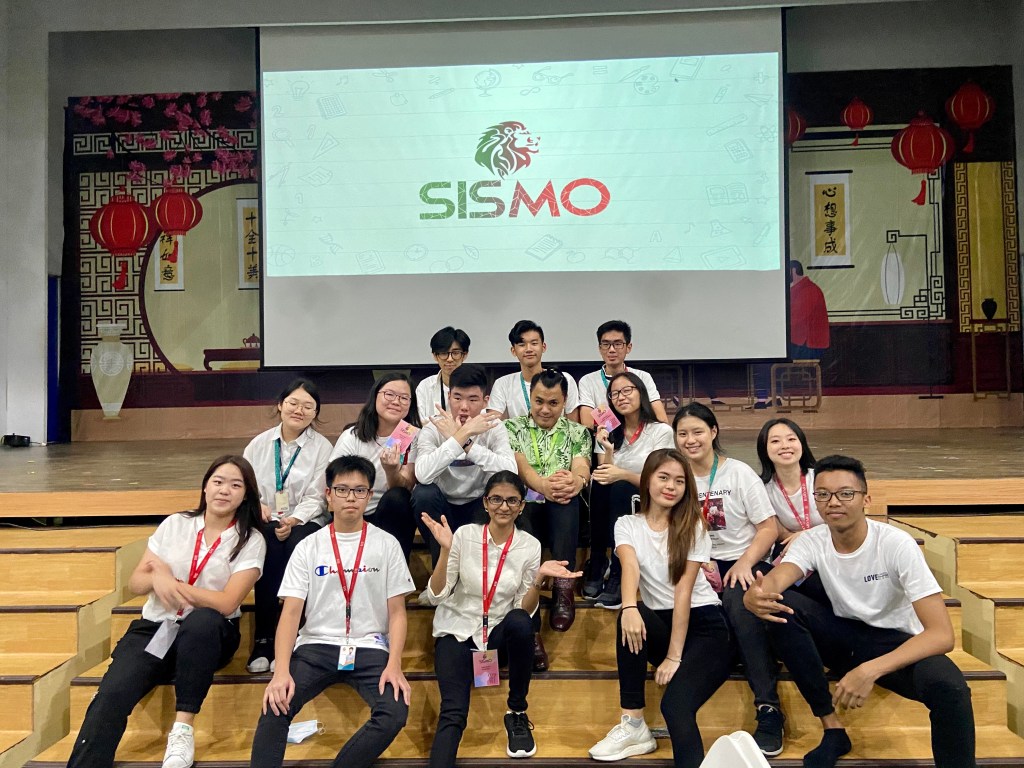
SISMO committee 💚
International Mindedness
Heron’s Formula
In multiple questions, Heron’s formula can be used. Heron’s formulas can be used to calculate the area of a triangle when the lengths of all 3 sides have been given.
Calculus was apart of the curriculum for the advanced category.
Calculus is a branch of mathematics that focuses on studying the rates of change. It is developed by two mathematicians – Gottfried Leibniz, a German mathematician, and Isaac Newton, an English mathematician. They developed calculus in the 17th century. The notations we use in calculus were developed by Leibniz. But calculus was first developed by Newton. he applied it to understand physical systems.
In order for this event to run as smoothly as possible, it is vital that we all communicate with one another as much as possible because communication can prevent mishaps and miscommunication. Furthermore, we take into account everybody’s thoughts, ideas and opinions, in general, their perspective. We also listen to one another and collaborate effectively. Before we started sending out letters, we also had to present our proposal to our Deputy Head Teacher and Mathematics Head of Department. Additionally, because we invited national schools as well, we had to communicate with 2 languages, which are English and Indonesian. All our letters and exam papers are also written in both languages.
Caring
One of our main goal in SISMO is to donate all profits to an orphanage, and to also improve inter-school relations. This shows that we do truly care about our community and want to have a positive impact to our community and somebody else’s lives.
Open-minded
While planning everything, we are open to opinions and criticism, as well as looking at things from other’s point of view. We are willing to accept those opinions in order to make this event the best we can. Because of this, we all worked together well and were able to avoid any arguments, disagreements or altercation. By being open-minded, I was able to grow and learn from this experience.
Reflective
After SISMO, for example like in this blog, I reflected. Figuring out what I felt was my strength and weakness, and in which areas I could improve to be a better version of myself.
Principled
Every action we took was done with integrity and honesty. For example, we had to be honest and open to the school regarding the planning of this entire event. And if we made a mistake, we own up to our actions and face the consequences.
Thinkers
Organizing SISMO was not easy. It wasn’t a black and white plan. We faced multiple challenges, making it a complex situation. We used our critical and creative thinking skills to face the complex situation, analyzing the situation and figure out what the best solution and plan is. Each action we took was done with reason.
To sum up everything, I just want to say another thank you to everybody who participated in SISMO, whether that is as a participant or as a committee member. And another big thank you to Mr Kichan. I really do hope this becomes an annual thing and this is just the beginning of our Mathletes tradition.
It’s the first e-journal of 2020. In this blog, I will be answering TOK questions that Mr Kichan gave us. TOK stands for Theory of Knowledge and it basically questions everything about life and your existence (just like how I’m questioning my life choices being in MAAHL). It questions on how we know the knowledge that we know. So let’s get started.
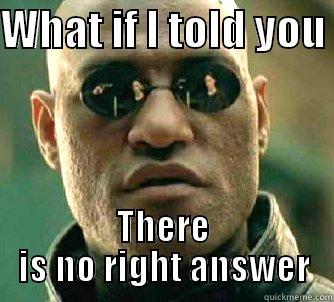
Image 1 – Random Spongebob TOK picture Credit: quick meme
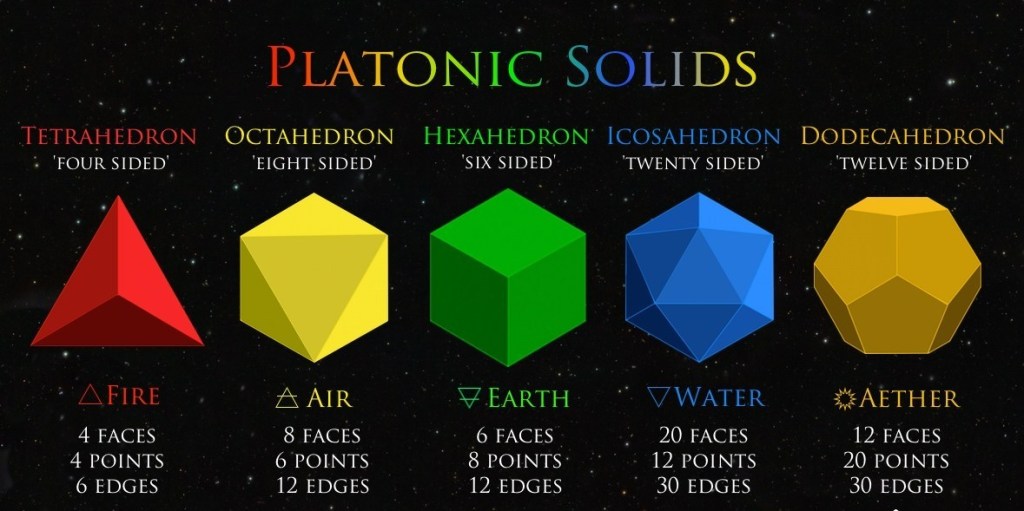
1. What are the platonic solids and why are they an important part of the language of math?
The platonic solids are solids named after an ancient Greek philosopher named Plato. Platonic solids are regular polyhedra, which is a three dimensional (3D) figures where each of the solid’s face is the same regular polygon (polygons whose angles and sides are all equal). And at each vertex, an equal number of polygons would meet. They are unique because no matter the direction, these solids would be perfectly symmetrical.
There are a total of 5 different platonic solids. And each of these solids correspond to a specific element. They are:
Image 2 – This figure shows all the platonic solids. Credit: Joedubs
The platonic solids are important to the language of maths because of their significance in history. Mathematicians have known about the platonic solids for over 2,000 years now. And these solids have played a vital part in the development of not only philosophy, but also science in the Western culture.
According to Plato’s view, the platonic solids are building blocks of the whole physical universe, including matters that are both organic and inorganic. And the platonic solids have uses ranging from architecture to technology. These solids and Plato’s ideas have had an influence in various cosmological thinking, including Kepler’s discoveries. Pythagorean-Platonic ideas inspired Kepler’s discoveries in the field of astronomy regarding geometry’s cosmic significance. Platonic geometry also has a prominent feature role in the work of Fuller, an American philosopher and inventor.
Hence, the platonic solids are a crucial part of the math language because of its significance and its wide range of uses. But more important, it led to various discoveries that otherwise may not have been discovered without these solids. (So thank you platonic solids.. yay :D)
2. To what extent do instinct and reason create knowledge? Do different geometries (Euclidean and non-Euclidean) refer to or describe different worlds?
Instinct is the gut feeling that is built into every human and creature on this earth. Everybody’s instinct is different. Based on their instincts, two people can react to the same situation in different ways. And reason is when there is a reason that supports and backs up why one does what they do. And how do these two create knowledge?
For example, when two people sees a dog. One of their instinct would be to run away from the dog, but the other person’s instinct could be to approach the dog and pet it. These actions were done subconsciously by instinct as it was essentially their reflex action, how their body reacted to the situation even if they may not have realized it. It was done without reason. But if they acted upon reason, they may have just walked pass the dog calmly. This action was done based on a reason, which was that they didn’t want to spook the dog, as spooking the dog may result in them getting bitten. However, even though reason and intuition can act separately, they can act together as well. Like another two people, one may have ran away from the dog because they previously have had a bad encounter with dogs, such as getting bitten, and the other may have approached it because they have had a good encounter with dogs like previously owning a dog. These are actions were done with the combination of instincts and reasons. Even though the action was have been instinctual, they each have a reason on why they did those actions, reacted the way they did.
So how does this correlate with knowledge? Let’s say one thought of an idea and they want to explore more on this idea. They will try to find out more about this idea. That first step was done by intuition as they felt as if it was a good first step, a good starting point into getting answers or finding discoveries regarding their idea. And from there, they found more information that led to them doing more steps and conducting further research on their idea because they had a reason, a reason that was obtained from the information they read, creating knowledge. Similar with the dog analogy, knowledge is created best when instincts and reasons are combined together. You can’t find reasons without having that initial instinct, the instinct that sparked curiosity that caused us to want to find answers and reasons because humans are naturally curious. You cannot obtain the best knowledge if it is solely based on instincts, similarly with reason. One will not want to seek for reasons if they don’t have that natural curious instinct.
Euclidean geometry was named after a Greek mathematician whose name was Euclid. Euclidean geometry is the geometry that we have all been learning in secondary, the ones about planes and solid geometry. The fancier description of Euclidean geometry is the study of figures (plane and solids) based on axioms (his five postulates) that eventually led to theorems. Axioms are basically the written rule that are used to make theorems.
What are Euclid’s five postulates? They are (quoted from Euclid’s book):
A straight line segment can be drawn joining any two points.
Any straight line segment can be extended indefinitely in a straight line.
Given any straight line segment, a circle can be drawn having the segment as radius and one endpoint as center.
All right angles are congruent.
If two lines are drawn which intersect a third in such a way that the sum of the inner angles on one side is less than two right angles, then the two lines inevitably must intersect each other on that side if extended far enough. This postulate is equivalent to what is known as the parallel postulate.
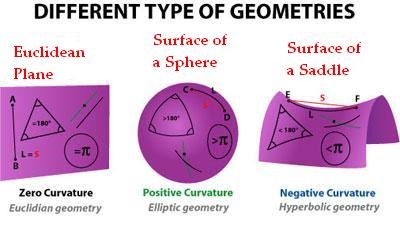
Non-Euclidean geometry is the rest of the geometry that doesn’t fall or belong under Euclidean geometry. There are two types of non-euclidean geometry – hyperbolic geometry and spherical geometry. Hyperbolic geometry is a space that is “curved” and spherical geometry is plane geometry on a sphere’s surface.
Image 3 – This image shows the different types of geometry (Euclidean geometry and Non-Euclidean geometry – hyperbolic and spherical/elliptic geometry) Credit: Nebi Caka on Research Gata
So do Euclidean geometry and Non-Euclidean geometry refer or belong in the same world? I believe that to some extent, they do refer to the same world, but to another extent, they do not.
I think that when Euclidean geometry and Non-Euclidean geometry is mentioned, they refer to and belong to the same world in some ways. In what sense? They both refer to the big world of mathematics and a slightly smaller world of geometry. In other words, they both belong to mathematics, and they both belong to geometry (they both have geometry in their names after all right?).
But on the other hand, they may not refer to the same world. They belong in two different worlds under geometry. So let’s say geometry is a big island, and Euclidean geometry and Non-Euclidean geometry are two different parts of the big island of geometry. Two different parts with very different culture and ways of living.
In conclusion, I feel like Euclidean and Non-Euclidean geometry belong in the same world in the sense that they are both under mathematics and geometry, but is also different as they are two different worlds within the world of geometry.
3. Is it ethical that Pythagoras gave his name to a theorem that may not have been his own creation?
In order to completely grasp and answer the question, I believe that it is important to know about the brief history of mathematics.
According to Microsoft Encarta Encyclopedia, the definition of mathematics is “the study of relationships among quantities, magnitudes and properties, and also of the logical operations by which unknown quantities, magnitudes, and properties may be deduced”.
The origin of mathematics can be traced back to pre-historic times Mesopotamia (Babylonia and Sumer) and Ancient Egypt. Though we can infer, no one is completely sure of the origin as there is no proof regarding the first use of mathematic’s origin.
In early mathematics, it is said that there is a huge chance that Babylonia and Ancient Egypt were the two that made the biggest advancement due to various reasons including the age of their existence, accessibility to resources and population. In this blog, I will be focusing more on the Mesopotamia.
Even back then, Mesopotamia had a numerical system. The Babylonians utilized symbols representing singles, tens, and hundred to write down numbers, known as Babylonian cuneiform numeral. Because of this, they were able to comfortably handle large numbers and allowed all major arithmetical functions to be performed. However, no evidences show that they utilize zero and more general fractions. Other than that, the Sumerians utilized a base 60 counting system, called the sexagesimal system. This system was utilized for weights and measures, astronomy, and mathematical functions’ development.
The babylonians were also able to extract square roots, solve linear systems, studied circular measurement, and were even able to solve cubic equations, through the help of tables. However, their geometry were occasionally incorrect. The biggest thing I found out that in some ways amazed me was that they were already working with Pythagorean triples. Yet the Babylonians never knew Pythagoras.
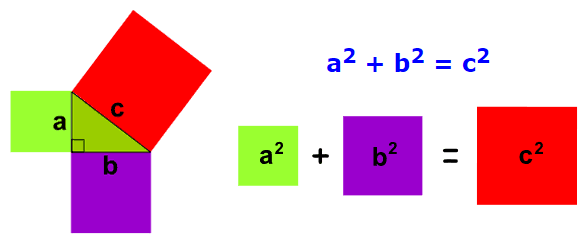
Pythagoras is a Greek philosopher born around 569 BC. He is famously known for the Pythagoras Theorem. The Pythagoras Theorem states that in a right angled triangle, the square of hypotenuse (the longest side and the side opposite the right angle) is equal of the sum of the squares of the triangle’s other two sides.
Image 5 – Pythagoras Theorem Credit: Maths is Fun
However, it was said that Pythagoras did not write any of his own report and that his views were derived from others. This could be held true as within Pythagoras’ society, there was a strict secrecy and members of the society had shared ideas and intellectual discoveries with one another without giving individuals credit. Other than that, there was no extensive account of Pythagoras, and the first detailed account regarding him only survived in fragments. All of these led to some speculations on whether this theorem was the creation of Pythagoras or not.
A Babylonian tablet, known as Plimpton 322, was recovered somewhere in a desert in Iraq (Babylonia is now known as Iraq). This tablet was said to be written around 1800 BCE. This tablet has a table that consist of a part of the Pythagorean triplet list. (More information on this can be read on https://www.math.ubc.ca/~cass/courses/m446-03/pl322/pl322.html.)
To some extent, I don’t think it is acceptable because taking credits for other’s work is not only unacceptable, but also unethical as that person worked hard for his/her own creation and somebody else took it. It is the same idea as plagiarism. We aren’t allowed to take somebody else’s ideas and pretend that it is our own ideas.
However, Pythagoras may not have been the one who gave his name to this theorem. Maybe somebody named this theorem after Pythagoras after he died without his knowledge. If this was the case, how would he have known? He couldn’t have changed it. In this scenario, I think that it is ethical as he wasn’t trying to take all the credits for the creation but rather, someone gave him credit without him asking for it and it isn’t his fault.
But who do we give credit to? Like in this case, who do we give credit to regarding Pythagoras’ Theorem? The babylonians or Pythagoras? Or somebody else? The babylonians may have had the idea of Pythagoras’ Theorem through Pythagoras triples, but they never knew him or his theorem. They may have knew it accidentally or unintentionally, without knowing that it could’ve been another theorem. But how are we sure that they were the first ones to utilize this? What if there was someone before the Babylonians that knew about the Pythagorean theorem or triple but it was never written down? Or maybe it was written down, but all the evidences were either undiscovered or lost or destroyed? Do we give credit to the person who created the evidence that was found? So let’s say Pythagoras did create this theorem, are we supposed to give him the credit even though he technically wasn’t the first one to know about it or had the idea? But Pythagoras never knew the Babylonians, so he couldn’t have known about it or took the information from them. How do we give credit to an idea or thought that isn’t written down or have no physical proof? How do we know that an idea and thought is original to somebody? Because a couple people may have the same thought or idea, so who do we give credit to? This is the same case with Thales, where it is said that he was given credit to stuff he didn’t do.
Image 6 – random gif Credit: giphy
In conclusion, I think that it may or may not be ethical depending on how it is looked at. And the issue on giving credit is still in question because how does one give credit to an idea or thought that wasn’t written down or mentioned? But if a person stated an idea or thought, how do we know that that person is the first one to think of that idea of thought? I think that questions will just lead to more questions and we will never know, even if we have a time machine and can travel back in time.
To wrap this blog up – TOK makes you question everything about life (like I mentioned above). It questions how we know what we know. To future IBDP students, good luck with TOK 😉 Because this will be the answer you will get in TOK:
“Math is fun, it teaches you life and death information, like when you’re cold, you should go to a corner since it’s 90 degrees there.”
-CoolFunnyQuotes.com
Introduction
IB Mathematics Analysis and Approaches been a wild ride. MAAH made me question my life decisions multiple times. Maths suddenly became so hard because it is definitely way different than iGCSE Maths. In iGCSE Maths, the exams are the most important thing and as long as you can score well in the exams, you are good to go. But in IB Maths, there is so much more than just exams, there are a lot of projects to complete. And also the new concept that were introduced that I have never encountered before, like complex numbers (which until now, I still haven’t fully understand. oops..).
But with Mr Kichan’s guidance and teachings, I survived the first semester of MAAH class. He always manages to keep Maths class light hearted and fun. I remember how his first amazing tests killed all my brain cells and makes my brain hurt. I still vividly remember his very first amazing test that we did. I remember him telling us that it’s Additional Maths topics from iGCSE, including differentiation and integration. And since I got pretty good in iGCSE, I thought that I’d be somewhat okay. But I was very, very wrong. The integration question he put was nothing like I have seen before and something we have never learned, not even in Add. Maths. That amazing test was the first test I have ever failed in my entire school life. However, it’s getting a little better now (although my brain cells are still dying in each class). I guess I just got used to it 🙃. May God bless him in his wedding.
This is the last blog of this year and I’m tired. But because I need my 30%, here is my very long blog.
And good luck to everyone taking MAAH next year 🙂
Investigation A
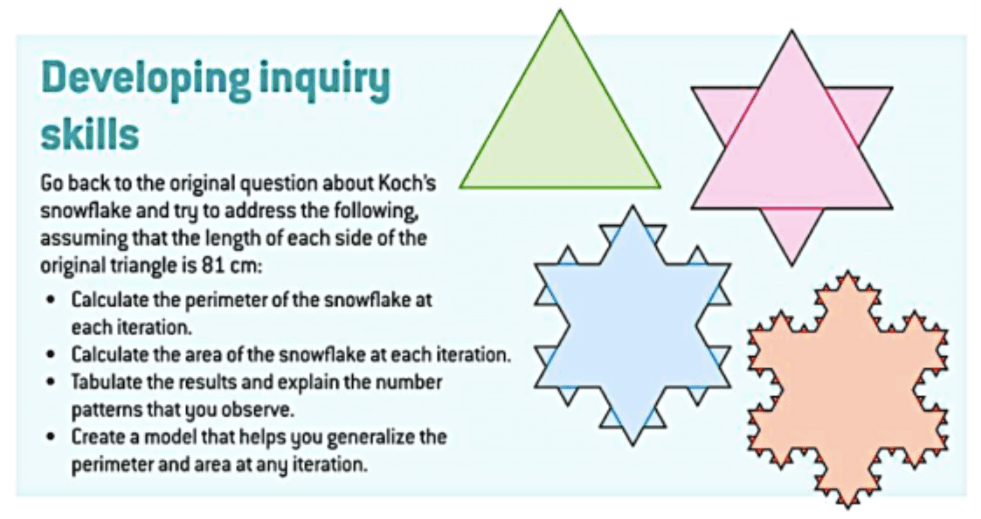
Image 1 – instructions for Investigation A Source: Mathematics: Analysis and Approaches Higher Level Course Companion
Koch’s Snowflake: Koch’s Snowflake, also commonly known as Koch’s island, was first described by a Swedish mathematician named Helge von Koch. It is one of the earliest fractals that was described. A fractal refers to complex geometric shapes that frequently have something called as “fractional dimension”.
The Koch Snowflake starts off with an equilateral triangle. Then, each side’s inner third is removed and an equilateral triangle is added to the place where the side has been removed. This process is then repeated indefinitely.
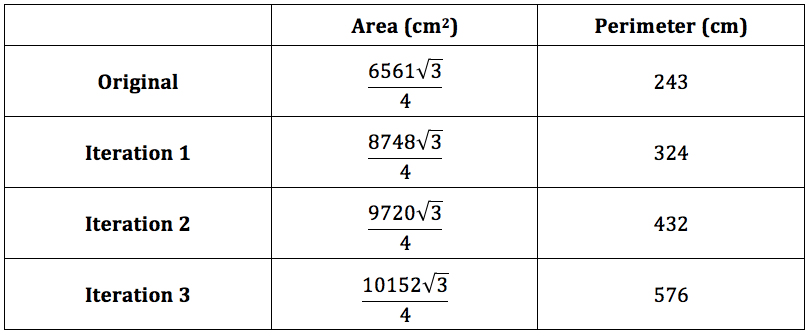
Table 1 – The area and perimeter of each figure. Source: me 🙂 – made using excel
Patterns: – When looking at the area of only the additional triangles and not the area of the figure as a whole, there is a pattern between iterations. If you multiply the area of the additional triangles of an iteration by 4/9, you can get the area of the additional triangles in the next iteration. – The perimeter of the original figure, iteration 1 and iteration 2 all uses the same digits of numbers (2, 3, 4) but in different orders. (this is probably just a coincidence tho.. maybe :D) – Both of them shows geometric sequence.
Discussion of Investigation B
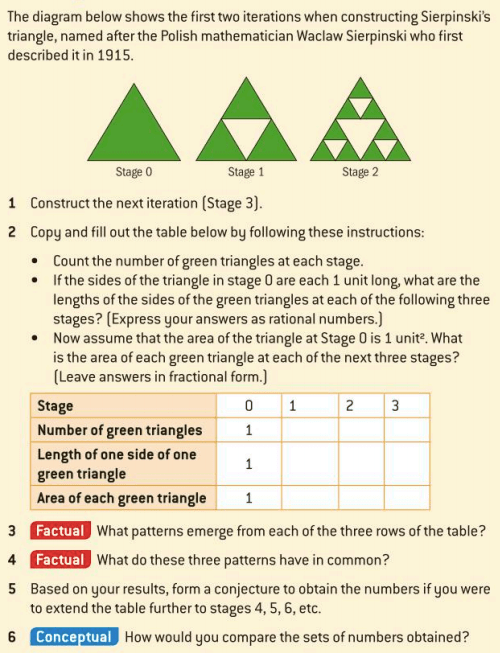
Image 2 – instructions for investigation B Source: Mathematics: Analysis and Approaches Higher Level Course Companion
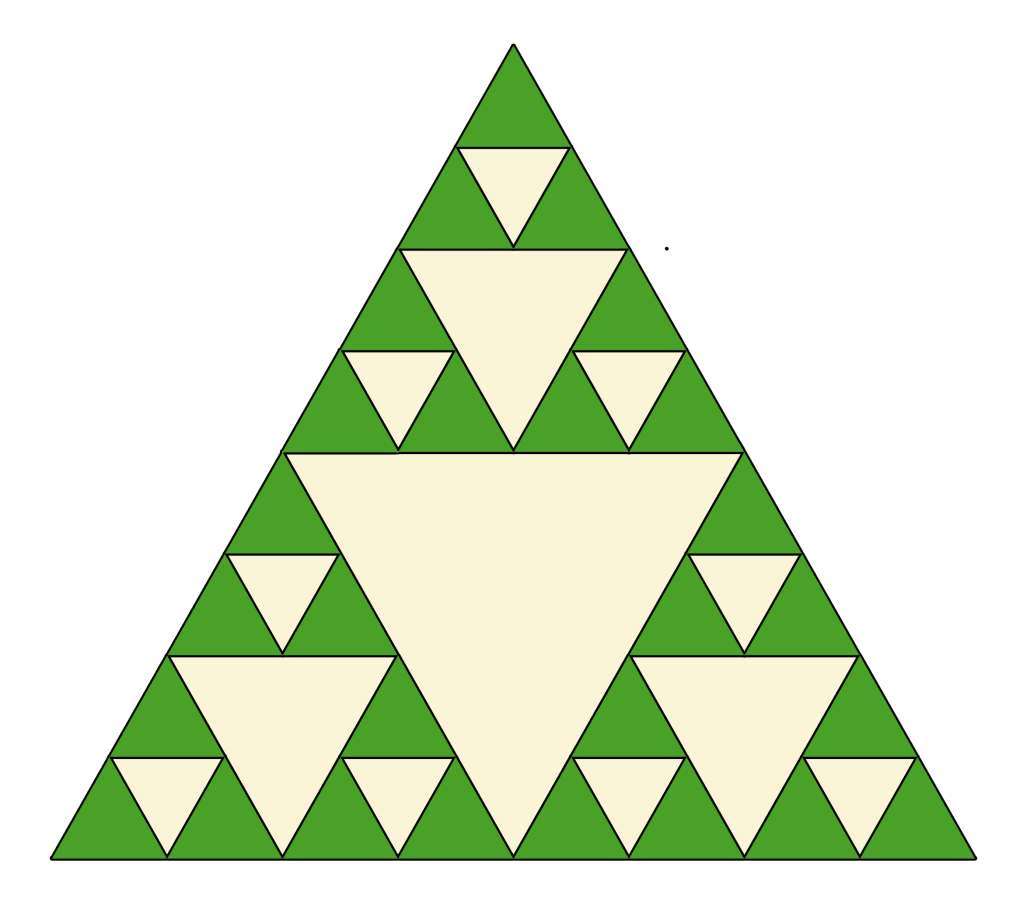
1. Next iteration:
Image 3 – Stage 3 of Sierpinski’s triangle Source: me 🙂 – using photoshop
2. Table
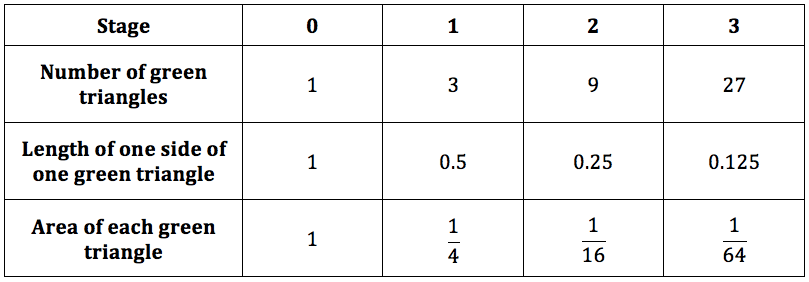
Table 2 – Answer to question 2 of Investigation B Source: me 🙂 – using excel
3. Patterns – Row 2: By multiplying the number of green triangles in the previous stage by 3, you can get the number of green triangles in the next stage (example: stage 2 has 9 triangles, you multiply 9 by 3, which gives 27, and it is the number of triangles in stage 3). – Row 3: By multiplying the length of the previous stage by 1/2, you can get the length of the next stage (example: in stage 2, the length is 0.25, if you multiply 0.25 by 1/2, which gives 0.125, it is the length of one green triangle in stage 3). – Row 4: By multiplying the area of the previous stage by 1/4, you can get the area of the next stage (example: in stage 2, the area is 1/16, if you multiply 1/16 by 1/4, which gives 1/64, it is the area of one green triangle in stage 3).
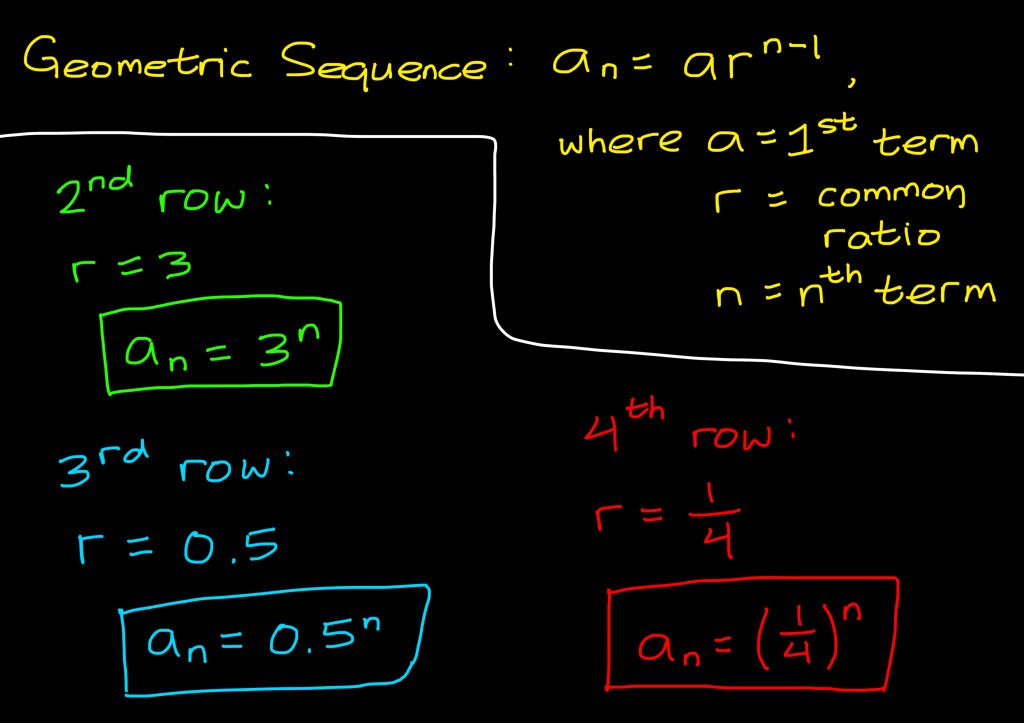
4. Common patterns – Each of these rows shows a geometric sequence relationship as each of the rows has a common ratio respectively.
5. Conjecture
Image 4 – Answer to question 5, the equation to find the nth iteration of each row Source: me 🙂 – using photoshop
6. Comparing sets of numbers – I would see whether there are any patterns or not and whether it is a geometric or arithmetic sequence or series.
Discussion of TOK
How do mathematicians reconcile the fact that some conclusions conflict with intuition?
Intuition is one of the ways of knowing. It refers to having a feeling about something or instinct. Have you ever saw something and just understood it without having a conscious reasoning? That is intuition.
Mathematics on the other hand is based on a series of self-evident truths called axioms.
So what is the relationship between intuition and mathematics? For example, when you look at a Maths question, you sometimes can just immediately know how to do it because it may have been something you have learned previously. (This never happens in Mr Kichan’s tests though 😭). For example, seeing a quadratic equation and asking to solve for x. You know that you first have to make sure that one side is equal to zero, then factorize, and from there, equate each factor to zero and find the value of x.
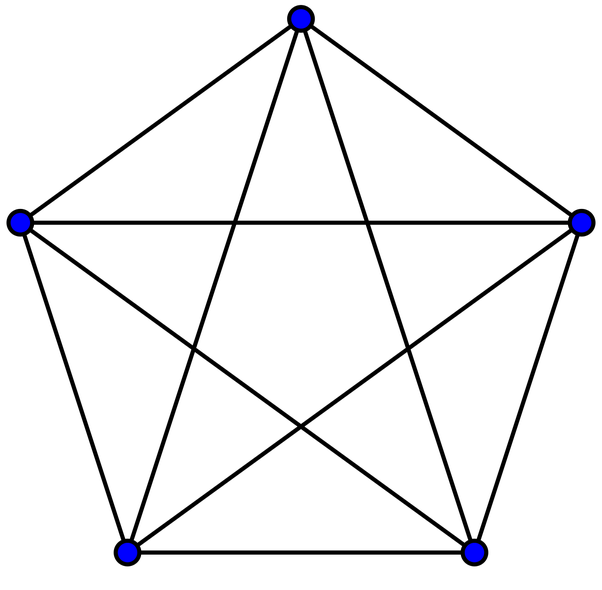
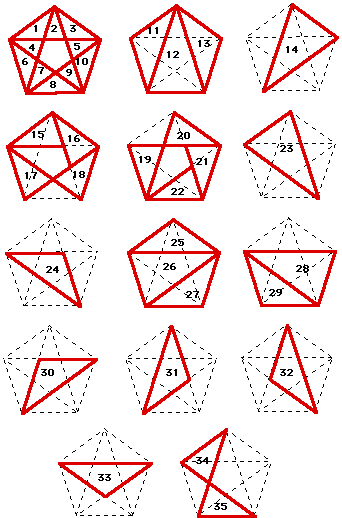
Try this question: Without counting, how many triangles are there?
That was my reaction. Just by looking at it, I thought that there were 15 triangles. I didn’t expect it to have 35 triangles.
So what happens when the result is different from one’s intuition? One would usually repeatedly try to count or solve it again. I did. I didn’t believe that there were that many triangles and I counted it repeatedly multiple times. Similarly, when mathematicians get a different answer from what they expect based on their intuition, they will repeatedly check their work to make sure that they made no mistakes.
Another example is when doing Mr Kichan’s test. When you are stuck in a question and have no idea how to do it, you most likely will just guess a number that looks right just for the sake of writing something so you leave nothing blank. And maybe you’ll be lucky and the answer is right. But when Mr Kichan discuss the question, the answer is completely different than what you guessed and you begin to question why and how.
Experience with Sec4 students
Throughout this semester, I did a number of things with different Sec4 students regarding Maths. From commenting on their blogs to actually teaching and mentoring them.
When reading their blogs, I quickly realized that they each have very different and unique blogging styles. Some like to keep their blog short and concise, while some like to explain things in detail. Some like to explain using diagrams and pictures, and some used their notebook to explain it. And some liked to keep their blog more fun. All of these makes it interesting to read the different blogs and keeps it unique even though they are all writing about the same topic. At first, I found it pretty hard to think of something to comment on their blog, but eventually, it became easier.
I also tutored some of the Sec4 core students along with a couple of my other friends. It was really interesting to be in that teacher position. Teaching something is really different because everybody learns in a different way, and the way you teach something to one student may not work with other students. Teaching is a lot more difficult than learning something. You actually have to think about how to explain something so that the students will understand. It was harder than I expected and it made me respect all my teachers even more than I already have.
I was also a mentor to a total of 4 students. I was approached by Yoana, Jessica and Kenneth to help them with their Semester Assignments, where I had to tell them the missing instruction in their SA. I had think about how to explain it to them in a way where they would understand. I gave them some ideas on what the graph could look like and even provided them with a brief example. I gave Kenneth and Yoana some suggestions on what functions they could use. I noticed that no matter what grade you are in, procrastination is always there and a constant in every grade as I was approached only a day before the deadline, and even on the due date itself. Don’t procrastinate guys, it hurts you in IB 😅. I’m still learning and trying to stop procrastinating too guys 😂. It’s not always easy to stop procrastinating. Procrastination just seems so much easier right? But no, procrastination just hurts you in the end (most of the time).
Overall, it was a really good and fun experience, and I learned a lot from it.
Reflection
Being a mentor was something that was different and could be challenging at times as you have to be able to explain something properly so others will understand. You no longer can live by the phrase “fake it until you make it”. I found that in some cases, even though I had understood the concept well, I wasn’t sure on how to explain these concept to the students in a way where they would understand. I sometimes have a weird way of understanding stuff that no one else understands 😂. I feel like this made me better a much better communicator, which will really help me out as communication is vital in our daily lives.
I also learned a lot of stuff from doing research on the investigations, which I feel can really help me out in the future in Maths. I feel like I learned some things that I may not be able obtain in class. Furthermore, these research skills that I have gathered will help me in my other subjects. And it will not only help me in IB, but also in the future, in the long run.
This blog also took me longer than I expected, especially with making the video. I underestimated how time consuming and challenging it could be. It was my first time making a video with that style and it was a challenge. I tried out different things to find out what works and what didn’t. Writing while trying to explain something was a lot more difficult than I had initially expected. Not to mention how frustrating it can get when your computer keeps lagging when you are trying to screen record. It had made more patient because my computer have been testing my patient while filming for the videos. But the satisfaction upon completing the video was worth it.
Time management is also something I really need to work on. It’s easier said than done, but stop procrastinating.
MAAH class has also been really testing me this year. There were multiple occasions where I just wanted to drop out of MAAH class and move either to MAIH or one of the SL classes. Not to mention the number of times where I almost broke down because of how hard it was. However, under the guidance of Mr Kichan, his encouragement, his teachings, his patience, and how he made the class fun and light hearted, I persevered and I’m glad I did as my scores slowly improved. I couldn’t have done this without you sir. Maths class has taught me more than just Mathematical concepts, but it has also taught me plenty of life lessons (like from the process of making that video last term that was so stressful) and I have to thank you for that. Thank you for everything, Mr Kichan!
IB Learner Profile
Communicator – Being able to write and explain what I have learned or discovered in the form of a blog and video, collaborate with others, and teach what I have learned by mentoring the Sec4 students.
Reflective – Thinking back to my experience and the process of not only making this blog, but also in being a mentor, and identifying my own personal strength and weaknesses for growth and learning.
Thinkers – Thinking creatively and critically to do the two investigations above and to answer the TOK question.
Inquirers – Being curious and researching to find the answers to any questions I may have when writing this blog.
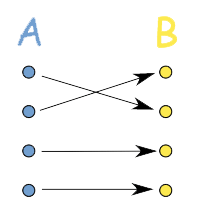
Function is the relationship between two different sets of elements/variables (for example: x and y)
Types of Relation
(domain – input, range – output)
One-to-one: when one domain corresponds to one range
Figure 1 – This figure shows a one-to-one mapping diagram.
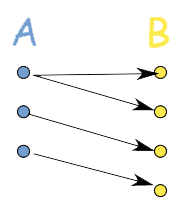
One-to-many: when one domain corresponds to more than one range
Figure 2 – This figure shows a one-to-many mapping diagram.
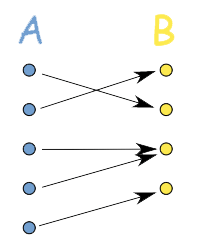
Many-to-one: when more than one domain corresponds to one range
Figure 3 – This figure shows a many-to-one mapping diagram.
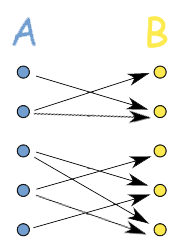
Many-to-many: when more than one domain corresponds to more than one range
Figure 4 – This figure shows a many-to-many mapping diagram.
Relation or Function?
How do you know if a graph is a function or a relation? And are all relations a function?
To determine whether a graph is a function or not, we can do a test called the “vertical line test”.
The “vertical line test” is when you draw a vertical line at any point of the graph. If the vertical line only passes through one point on the graph, then the graph is a function. But if the vertical line passes through more than one point, then the graph is not considered a function. In other words, one value of of x (domain) can only have one value of y (range). Which means that only the relation “one-to-one” and “many-to-one” can be considered to be a function.
Types of Transformation in Functions
TRANSLATION
Vertical: y = f(x) + c
If c>0, then the graph will move up by c units.
If c<0, then the graph will move down by c units.
Horizontal: y = f(x+c)
If c>0, then the graph will move to the left by c units.
If c<0, then the graph will move to the right by c units.
REFLECTION
y = -f(x), the graph will be reflected across the x-axis.
y = f(-x), the graph will be reflected across the y-axis.
STRETCHING & COMPRESSING
Vertical: y = cf(x)
If c>1, the graph will be stretched vertically by a factor of c.
If 0<c<1, the graph will be compressed vertically by a factor of c.
Horizontal: y = f(cx)
If c>1, the graph will be compressed horizontally by a factor of 1/c.
If 0<c<1, the graph will be stretched horizontally by a factor of 1/c.
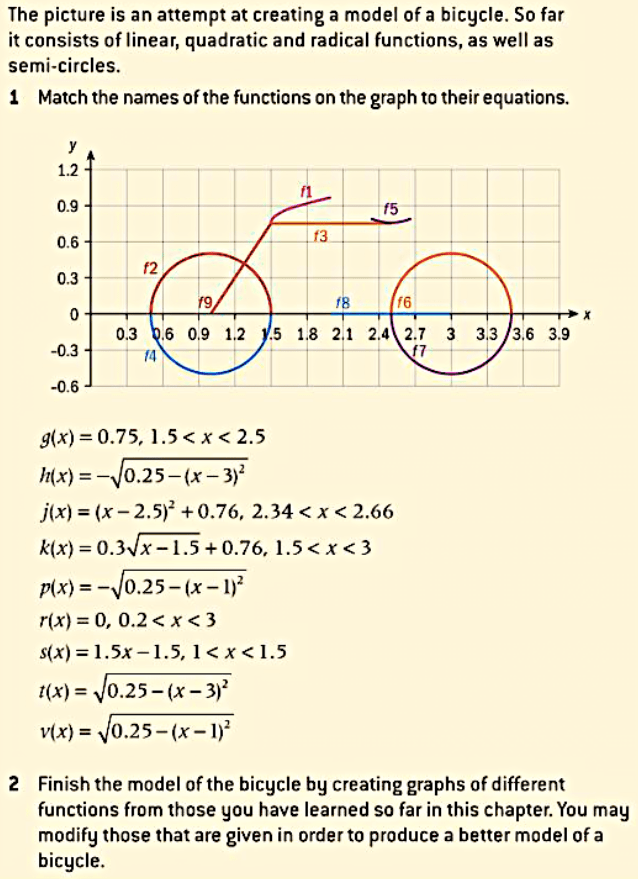
Graphing a Bicycle
Figure 5 – This figure shows an incomplete bicycle.
MATCHING THE GRAPHS TO THEIR RESPECTIVE EQUATIONS
g(x) = f3
h(x) = f7
j(x) = f5
k(x) = f1
p(x) = f4
r(x) = f8
s(x) = f9
t(x) = f6
v(x) = f2
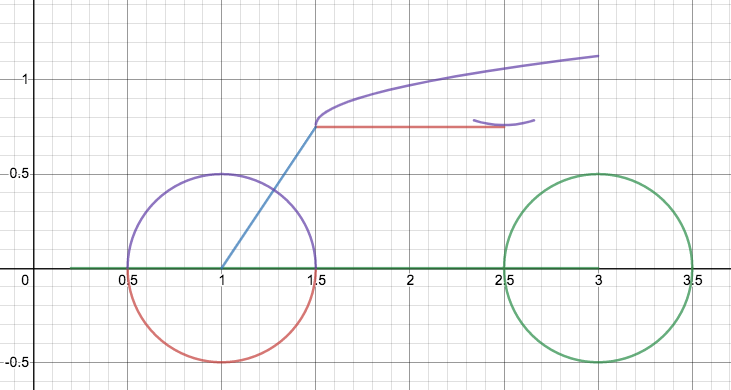
Using desmos, I graphed the equations above.
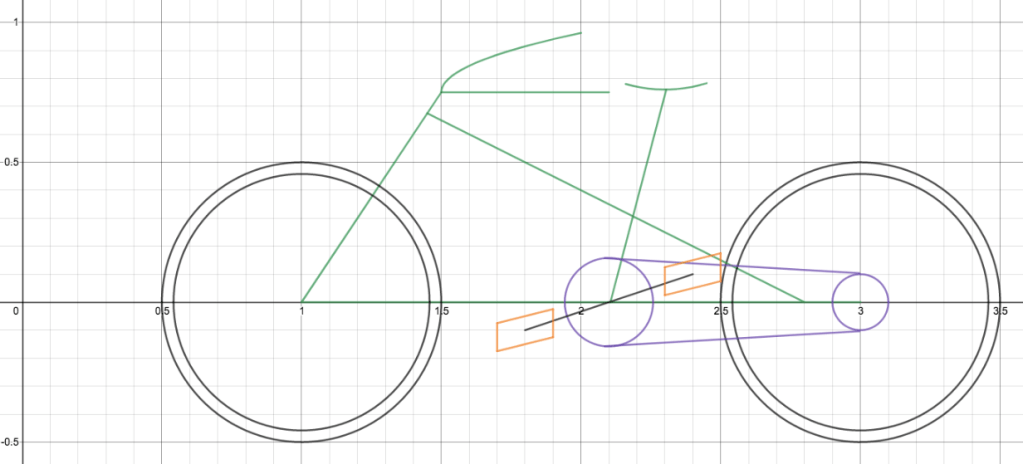
Figure 6 – This figure shows the bicycle produced by the functions above (Generated using Desmos)
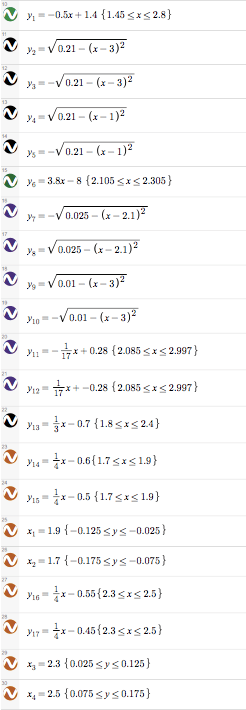
Not being satisfied with how the bicycle looks, I added more functions and changed some of the functions.
These are all the functions I added:
Figure 7 – This figure shows all the additional equations to complete the bicycle.
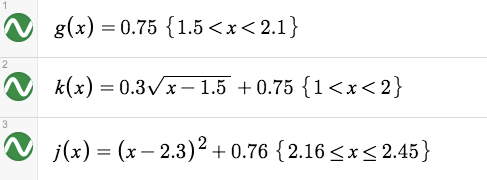
And I also changed up 3 functions to make the bicycle look better.
Figure 8 – This figure shows all the functions that were changed.
Finally, the bicycle looked like this:
Figure 9 – This figure shows the completed bicycle. (Generated by Desmos)
The input will be the the money and the output will be the object we bought from the vending machine
EARNING MONEY
The input is the amount of time you put into work to earn money and the output is the amount of money (salary) you will get from those hours you worked.
CONVERSION
For example, the conversion of temperature from Celsius to Fahrenheit.
The formula is F = 1.8C + 32, where F is the temperature in Fahrenheit and C is the temperature in Celsius.
Let’s say we want to convert 100°C to Fahrenheit, we input the value C=100.
F = 1.8(100) + 32 = 212
Thus, 100°C is equivalent to 212°F.
This is an example of function since the input would be the temperature in Celsius and the output is the temperature in Fahrenheit.
IB Learner Profiles
INQUIRERS
Being curious and playing around with functions to figure out how to make a bicycle only from the functions we have learned like quadratic function. And also playing around with their limits and restrictions.
THINKERS
Critically thinking on how to transform functions and form equations to make a bicycle.
COMMUNICATORS
Conveying the knowledge we have learned in Maths class to a blog and teaching others about it.
RISK TAKER
Submitting the blog a couple minutes before the deadline 🙂
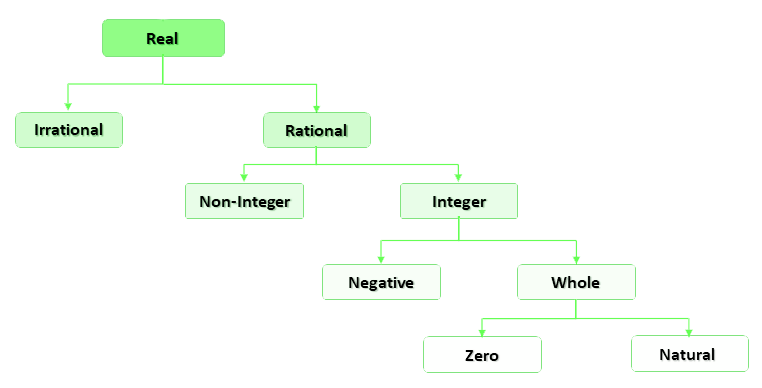
During our iGCSE years, our Maths teacher have probably drawn this diagram when we were studying numbers.
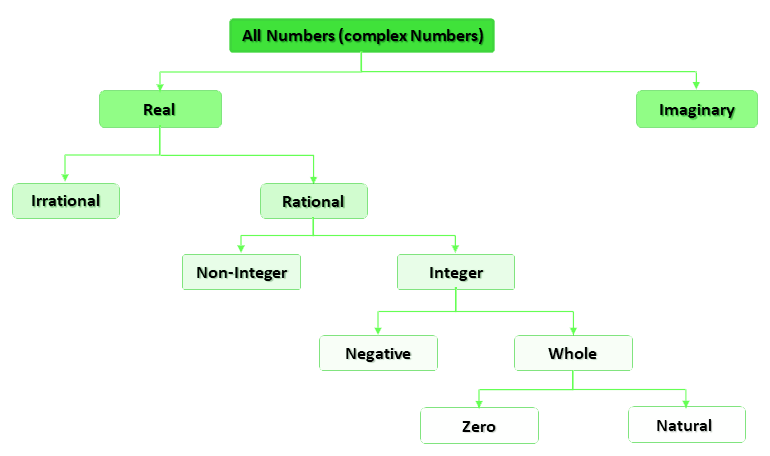
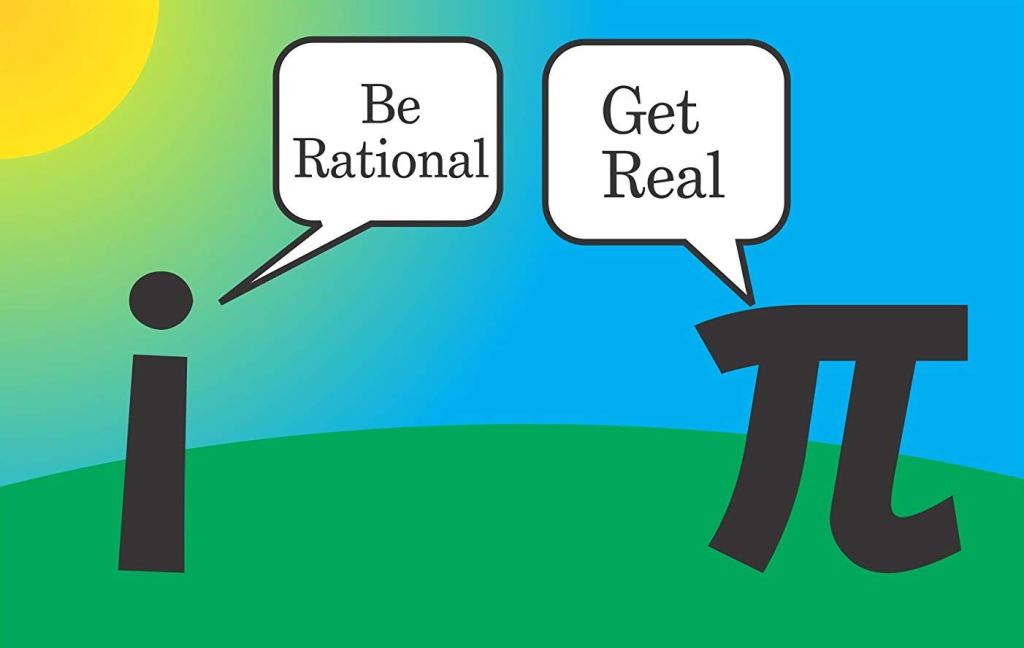
We have learned that irrational numbers are numbers like π. But, there is actually more to it. Beyond real numbers, there are imaginary numbers. This is what the diagram would look like.
Both real numbers and imaginary numbers make up complex numbers. But before we get to complex numbers, what are imaginary numbers?
Imaginary Numbers
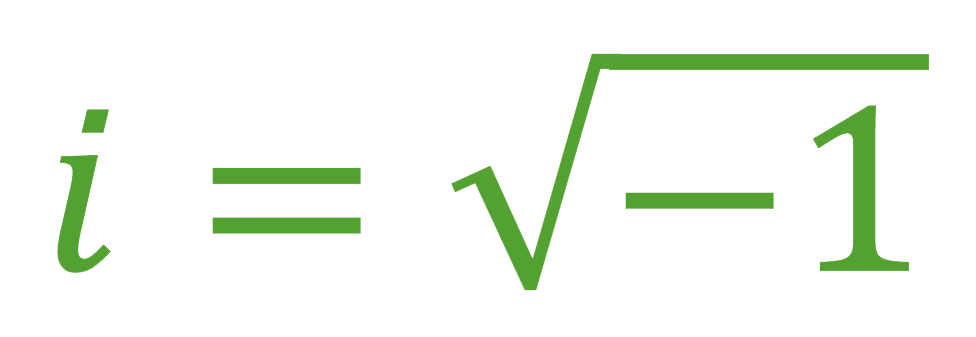
Imaginary numbers is the square of a negative number, meaning that if you square imaginary numbers, you will get a negative number. Whenever you root a negative number in your scientific calculator, the screen will say “math error”. However, if you press MODE, then 2 (CMPLX), it is going to change your calculator set up to “CMPLX” mode. Once you do this and root a negative number, you will get an answer in terms of i, making it possible to root a negative number.
Example: (calculator in “CMPLX” mode)
√(-5) = √5i
You may also have seen i whenever you solve quadratic equations using your calculator (MODE -> 5 (EQN) -> 3, then input the values of a, b ,and c). If your quadratic equations have negative roots or no solutions, you will see i in your calculator.
Example:
x^2 + 4x + 5 = 0
x = -2+iOR x = -2-i
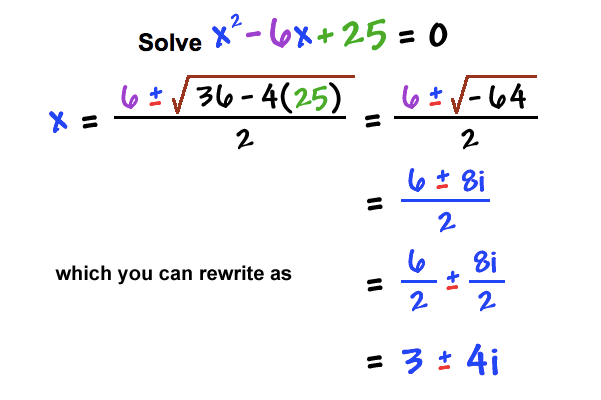
What if you don’t use calculator, but use the quadratic formula instead? You can still use i. Here is an example.
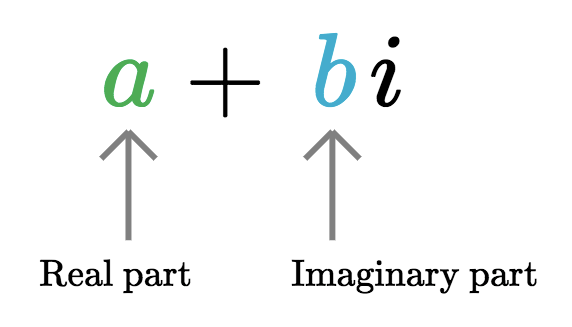
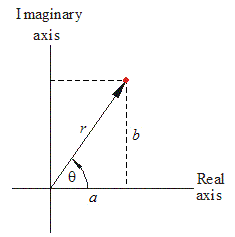
Now that we know what imaginary numbers are, what are complex numbers? Complex numbers are numbers that have a real number and an imaginary number. It can be written in the form of a+bi, where a is the real number, and b is the imaginary number. This is known as the Cartesian form.
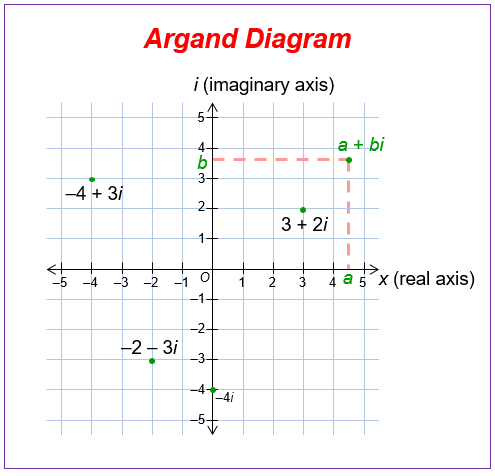
Using the Cartesian form, we can plot complex numbers into a complex plane or Argand diagram. This is similar to the Cartesian plane we all know about, but the Argand diagram is for complex numbers, where the x-axis is for the real part, and the y-axis is for the imaginary part.
Complex numbers are very useful, especially to engineers.
Signal Processing
It is useful in technologies, especially wireless and cellular technologies. It can also be used to monitor brain waves.
Electricity
Alternating current (AC) electricity switches between a sine wave’s negative and positive. When combining AC currents, the waves may not match properly, making it very difficult. By using imaginary current and real numbers, it allows those who works with AC electricity to perform calculations and prevent being electrocuted.
“We learn more by looking for the answer to a question and not finding it than we do from learning the answer itself.”
Lloyd Alexander
An inquirer is someone who inquires, or in other words, they ask for information. Being an inquirer is one of the ten IB learner profile. As an inquirer, we learn beyond the classroom. When we are curious, we do independent research to foster and nurture our curiosity, and to obtain more knowledge.
Sequences and Series
When sitting in Maths class, studying about sequences and series, you may wonder why we need to study it and how it is useful for our day to day life. However, these sequences and series are actually everywhere and can be found in our daily lives.
Sequences and series. What’s the difference? Sequences is an ordered list of terms that are related to each other in some way. While series is the sum of terms in a sequence. There are plenty of different types of sequences and series, two of them being arithmetic and geometric.
What is the difference between arithmetic and geometric sequence?
Arithmetic
Geometric
has a common difference between terms
has a common ratio between terms
addition or subtraction
multiplication or division
can only be divergent
can either be divergent or convergent
What are divergent and convergent series? To differentiate them, we can correlate them to divergent and convergent thinking.
Convergent thinking is more linear and systematic. It narrows down multiple ideas into one single idea or solution. Divergent thinking is more creative and focuses more on the connection between ideas. It produces multiple answers and ideas to a single question.
Relating to that, when a series is convergent, the sequence of its partial sums approaches a real number, in other words, it approaches a limit. If a series doesn’t converge, it is a divergent series. A divergent series doesn’t have a limit that is finite, meaning that it is infinite.
Sum of Infinite Geometric Series
Is it possible to find the sum of an infinite geometric series?
Keeping in mind that the formula to find a tern in a geometric sequence is Un = U1 rn-1 . It is only possible if the common ratio is more than -1 but less than 1, and it cannot be 0 ( -1 < r < 1 , r ≠ 0). Why is it not possible to for the ratio to be 0? Here is why:
U2 = U1(0)2-1
= U1 (0)1 = 0
U3 = U1(0)3-1
= U1 (0)2 = 0
U4 = U1(0)4-1 = U1 (0)3 = 0
To find the ratio:
r = 0/0 = 0/0
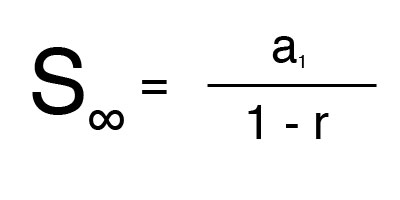
But, 0/0 is “indeterminate”, which is why it is not possible for the common ratio to be 0. Hence, it can be written as | r | < 1 . This formula can be used to find the sum of an infinite geometric series:
As stated in the table above, it is possible for a geometric series to be divergent, and a divergent series isn’t converging. Which is why it is possible to find the sum of an infinite geometric series.
Real-life Applications of Sequences and Series
2048 game
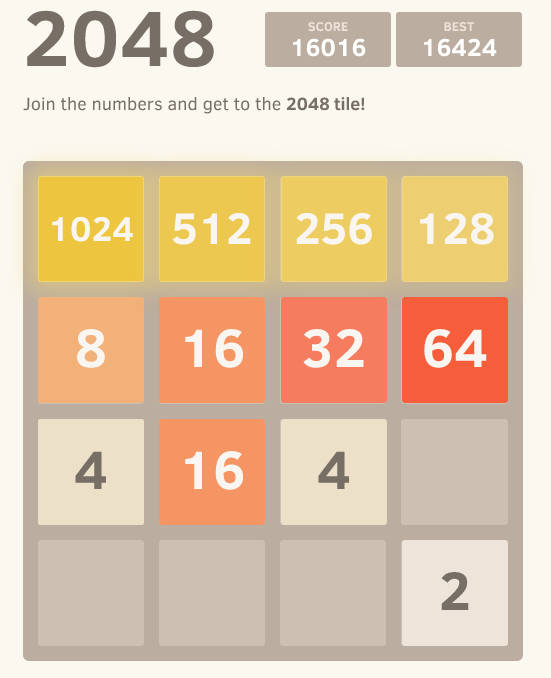
In the game 2048, it involves combining tiles of the same number to get a bigger number. However, all these numbers are powers of 2, showing that it is a geometric sequence.
When you get into a taxi, the taxi fare starts at a specific amount. But there is a fare, for example $0.50/km, and the total fare increases as you travel further and spend more time in the taxi (for example, when there is traffic). At the end of the ride, you the taxi meter will show you the total taxi fare, which is the sum of the flag down rate and distance rate. This is an example of arithmetic series.
As you can see, there is a lot of uses of sequences and series. Taxi fare and the 2048 games are just amongst two of the many applications of sequences and series. We can see that it is being used in our daily lives, from the games we play on our mobile phones, to transport, and even population growth, bank investments and interest rates, and carbon dating in the laboratory.














 Matilda